
From TV to YouTube, the Oscars’ global shift reveals how entertainment, access and platforms are reshaping cultural institutions.
Updated
January 8, 2026 6:29 PM

Youtube app on a mobile device. PHOTO: UNSPLASH
The Oscars are moving to YouTube. Beginning in 2029, the Academy of Motion Picture Arts and Sciences has signed a multi-year agreement that makes YouTube the exclusive global home of the Oscars through 2033. From the ceremony itself to red carpet coverage, behind-the-scenes access and the Governors Ball, the entire experience will live on a platform most people already open every day.
On the surface, it looks like a distribution shift. In reality, it signals a broader strategic reset. For decades, television delivered scale for cultural institutions. Today, reach and discovery live on platforms, not channels. By choosing YouTube, the Academy is quietly acknowledging that cultural relevance today is built where audiences already are. In that context, YouTube is no longer just a place to watch clips but an emerging piece of cultural infrastructure.
What also stands out is how the Oscars are being reframed. This partnership is not limited to one night a year. Alongside the ceremony, YouTube will host year-round Academy programming through the Oscars YouTube channel. That includes nominations announcements, the Governors Awards, the Student Academy Awards, the Scientific and Technical Awards, filmmaker interviews, podcasts and education programs. Instead of a single broadcast moment, the Oscars are turning into an always-on ecosystem.
Accessibility is another central pillar of the deal. The Oscars will be free to watch globally, supported by closed captioning and audio tracks in multiple languages. This is less about nice-to-have features and more about staying relevant in a global, digital-first world. Younger audiences and viewers outside traditional Western markets expect access by default. The Academy is clearly building with that expectation in mind.
There is also a deeper exchange happening between heritage and technology. YouTube gains cultural weight by hosting one of the world’s most established creative institutions. The Academy, in turn, gains technological legitimacy and a clearer path into the future.
That balance extends to how the transition is being handled. The Academy’s domestic broadcast partnership with Disney ABC will continue through the 100th Oscars in 2028 and the international arrangement with Disney’s Buena Vista International remains in place until then. This is not an abrupt break from legacy media but a carefully phased shift. Change is being managed without burning bridges.
“We are thrilled to enter into a multifaceted global partnership with YouTube to be the future home of the Oscars and our year-round Academy programming,” said Academy CEO Bill Kramer and Academy President Lynette Howell Taylor. “The Academy is an international organization and this partnership will allow us to expand access to the work of the Academy to the largest worldwide audience possible — which will be beneficial for our Academy members and the film community. This collaboration will leverage YouTube’s vast reach and infuse the Oscars and other Academy programming with innovative opportunities for engagement while honoring our legacy. We will be able to celebrate cinema, inspire new generations of filmmakers and provide access to our film history on an unprecedented global scale.”
From YouTube’s side, the partnership places the platform firmly in the center of global cultural moments. “The Oscars are one of our essential cultural institutions, honoring excellence in storytelling and artistry,” said Neal Mohan, CEO, YouTube. “Partnering with the Academy to bring this celebration of art and entertainment to viewers all over the world will inspire a new generation of creativity and film lovers while staying true to the Oscars’ storied legacy.”
Google Arts & Culture extends the partnership beyond the ceremony. Select Academy Museum exhibitions and materials from the Academy’s 52-million-item collection will be made digitally accessible worldwide, bringing film history and education onto the same platform.
Taken together, the deal is less about where the Oscars will stream and more about how cultural institutions are adapting to the changing landscape. The Academy is positioning itself to be present year-round, globally accessible and aligned with the platforms that shape everyday viewing.
Keep Reading
As global financial landscapes shift, Noah outlines a new AI-first approach to helping families protect and grow their wealth.
Updated
January 8, 2026 6:31 PM
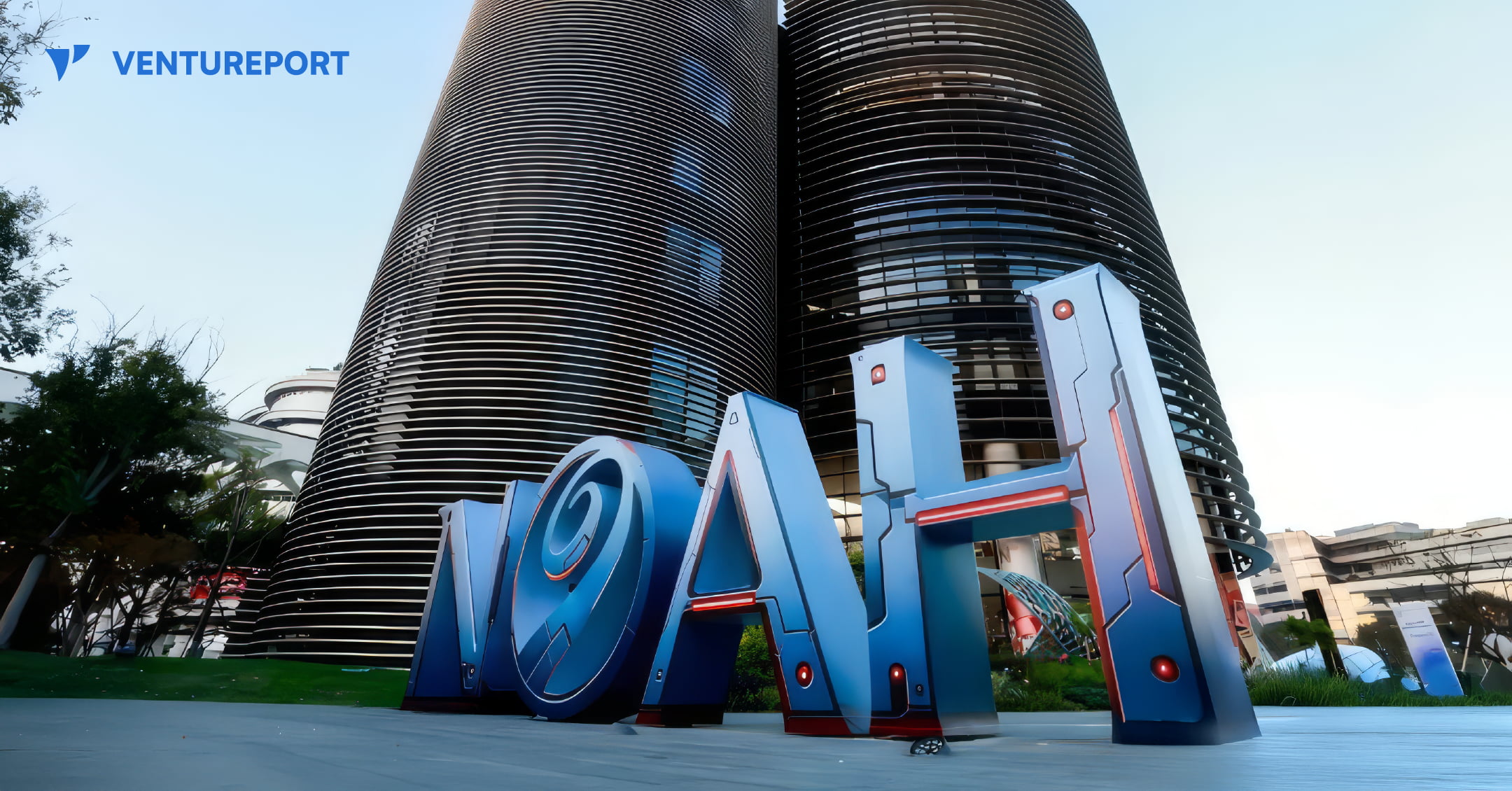
Noah’s Black Diamond Summit. PHOTO: ARK WEALTH
Noah Holdings, one of Asia’s leading wealth management firms serving global Chinese high-net-worth families, hosted its annual Black Diamond Summit in Macau from December 7–11. The city has become a significant gathering place for Noah’s community, where clients, partners, and experts converge each year to explore how global trends are transforming wealth and family life. This year’s theme, “AI Together, Co-Generating the Future”, set the tone for a conversation about how modern wealth management must adapt in an age defined by artificial intelligence.
More than 3,000 attendees joined discussions that connected technology, global mobility, and long-term family planning. The Summit built on earlier sessions held in Shanghai, creating a continuous dialogue around one central question: how can families prepare for a world that is becoming more digital, more complex and more interconnected?
A major moment came when Noah introduced “Noya”, its new AI Relationship Manager. Noya is now part of the upgraded iARK Hong Kong and Singapore apps. It is built to support licensed human advisors, not replace them. The goal is simple: combine human judgment with AI intelligence to help clients understand their wealth more clearly and manage it across borders. Noya offers real-time insights, deeper personalisation, cleaner access to global financial information, smoother coordination between regions, and end-to-end execution through Noah’s global booking centres.
The Summit’s tone shifted toward long-term thinking when Co-Founder and Chairwoman Norah Wang delivered her keynote, “From Chaos to Clarity: Building a Global Operating System for Wealth Management”. She reflected on twenty years of serving more than 400,000 clients and explained that families today face new pressures. As she put it, “The real pain point for Chinese families today is not investment performance, but navigating the growing complexities of a global lifestyle”. Her message was straightforward: wealth is no longer just about returns. It is about managing uncertainty in a world where technology, geopolitics, and mobility collide.
Wang described how two major shifts have shaped modern wealth—first the Internet Era, which changed how people built wealth, and now what she calls the AI Civilisation Era, which is changing how people must protect it. She outlined the forces that influence today’s decisions: geopolitical shifts, persistent inflation, the rising importance of security and supply-chain technologies, the spread of AI, and the need for stronger family governance across generations. Each of these factors adds complexity, and families need tools that help them see the bigger picture.
To respond to this reality, Noah presented its integrated global wealth infrastructure. It is built on three pillars:
Together, these pillars function as an AI-supported system designed to simplify global complexity and help families preserve long-term stability.
One of the most discussed conversations featured Noah’s CEO, Zander Yin, and Tony Shale, Co-Founder & Chairman of Asian Private Banker China. They spoke about how AI is transforming private banking in Asia. Their view was that wealth management is moving from a product-centred model to one led by insight, trust, and human-tech collaboration. AI may accelerate analysis, but human expertise will continue to guide judgment, relationships, and long-term strategy.
The closing message of the Summit centred on redefining what prosperity means in an AI-driven age. For Noah, wealth is no longer a destination. It is an ongoing journey through a world that is increasingly fast-moving and unpredictable. As Wang noted, “With AI reshaping the very foundations of civilisation, wealth and financial freedom represent not a static endpoint, but a continuous journey. Here, we find our purpose: to help global Chinese investors navigate an increasingly complex world and achieve true prosperity, supported by resilient wealth management infrastructure and deep human expertise”.
The Summit ended on that note—a reminder that the future of wealth is not only about financial assets, but about clarity, confidence and the ability to adapt as the world transforms.