
How the high-profile trial of the music mogul offers lessons for entrepreneurs on accountability, ethics, and leadership.
Updated
January 8, 2026 6:35 PM
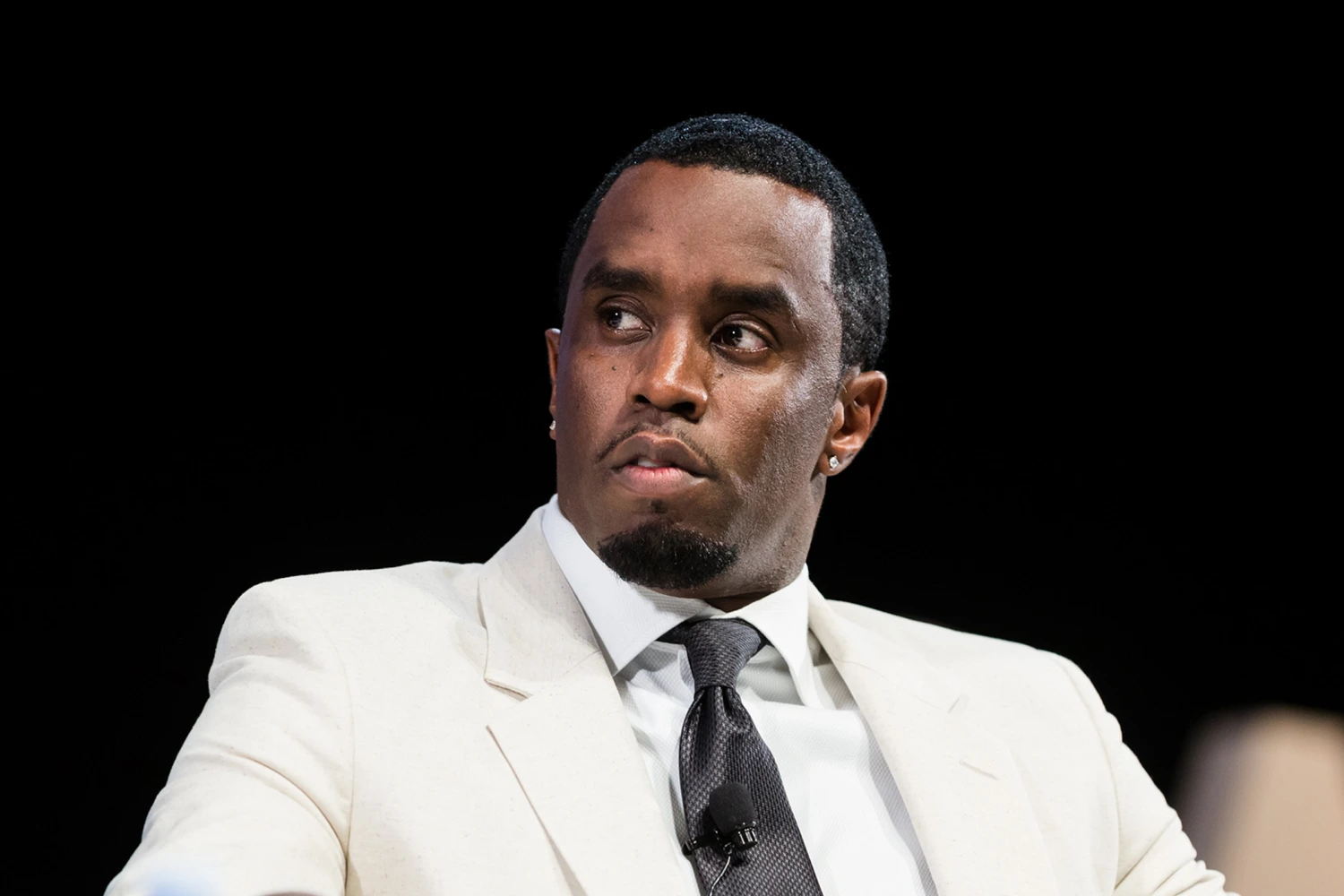
Sean "DIddy" Combs. PHOTO: NPC NEWS
Sean “Diddy” Combs—hip-hop icon, entrepreneur, and cultural force—has built a career on his larger-than-life persona, business acumen, and ability to dominate industries ranging from music to fashion to spirits. But his recent trial, which involves explosive allegations of racketeering, sex trafficking, and transportation to engage in prostitution, has cast a shadow over his legacy.
The federal trial, which began after his arrest in September 2024, has revealed shocking claims, including coercion, manipulation, and the abuse of power in both personal and professional settings. While Combs has pleaded not guilty to all charges, the case offers valuable lessons for small business owners about leadership, ethics, and the responsibility that comes with power.
Here’s what entrepreneurs can learn from the allegations and fallout surrounding Diddy’s trial.
Diddy has been accused of creating a toxic environment that involved coercion, manipulation, and abuse of power—both in his personal relationships and his professional dealings. The trial has highlighted allegations of “freak-offs,” elaborate sexual encounters with escorts that were reportedly coerced, as well as threats of financial and reputational harm to control others.
In business, leaders hold significant power over employees, partners, and collaborators. whether through coercion, intimidation, or favoritism—can lead to toxic environments and long-term damage to the organization.
The case has shown how Diddy’s alleged actions went unchecked for years, with accusations of violence, threats, and even financial control over his accusers. Testimonies from former employees and partners reveal a pattern of behavior that created a culture of fear and silence around him.
For small business owners, this is a reminder that accountability begins with leadership. If you fail to hold yourself and others accountable, you risk fostering an environment where misconduct is ignored or accepted.
A recurring theme in the trial is how Combs’ personal actions—both alleged and confirmed—have affected his professional reputation. From footage of him physically assaulting Cassie in a hotel hallway to allegations of coercion during drug-fueled parties, the courtroom revelations have tarnished his public image and cast a shadow over his brand.
For small business owners, this reinforces an important truth: your personal behavior can have far-reaching consequences for your business. Customers, employees, and partners often associate the values and reputation of a business with its leader.
The case has also highlighted the dangers of power imbalances. Testimonies from accusers like Cassie allege that Diddy used financial control—such as threatening to withhold rent payments—to coerce others into complying with his demands.
In a small business setting, power dynamics are also present, particularly between employers and employees or business owners and partners. Misusing that power, even unintentionally, can lead to resentment, distrust, and legal challenges.
The allegations against Diddy span more than a decade, with claims of abuse dating back decades. Had there been systems in place to address grievances or hold him accountable earlier, the damage to his brand—and to the individuals involved—might have been mitigated.
For small businesses, neglecting proactive measures to address workplace issues can lead to larger crises later. Waiting until problems escalate is not only costly but can also permanently harm your business’s reputation.
The Sean “Diddy” Combs trial is a cautionary tale about the consequences of unchecked power, unethical behavior, and a lack of accountability. For small business owners, it underscores the importance of leadership that prioritizes transparency, fairness, and integrity.
Running a business isn’t just about profits—it’s about creating a legacy founded on trust and respect. By learning from the mistakes and controversies of others, entrepreneurs can build companies that inspire loyalty, foster positive relationships, and stand the test of time.
Keep Reading
From plush figures to digital pets, a new class of AI toys is emerging — built not around screens or sensors, but around memory, language and emotional awareness
Updated
February 5, 2026 2:00 PM

Spielwarenmesse toy fair. PHOTO: SPIELWARENMESSE
Spielwarenmesse in Nuremberg is the global meeting point for the toy industry, where brands and designers preview what will shape how children play and learn next. At this year’s fair, one message stood out clearly: toys are no longer built just to entertain, but to listen, respond and grow with children. Tuya Smart, a global AI cloud platform company, used the event to show how AI-powered toys are turning familiar formats into interactive companions that can talk, react emotionally and adapt over time.
The company’s central argument was simple but far-reaching. The next generation of artificial intelligence toys will not be defined by motors, sensors or screens alone, but by how well they understand human behavior. Instead of being single-function objects, smart toys for children are becoming systems that combine language models, emotion recognition and memory to support ongoing interaction.
One of the most talked-about examples was Tuya Smart’s Nebula Plush AI Toy. At first glance, it looks like a soft, expressive plush figure. Inside, it uses emotional recognition to change its LED facial expressions in real time. If a child sounds sad or excited, the toy’s eyes respond visually. It supports natural conversation, reacts to hugs and touch and combines storytelling, news-style updates and interactive games. Over time, it builds memory, allowing it to behave less like a gadget and more like an interactive AI toy that recalls past interactions.
Another example was Walulu, also developed using Tuya’s AI toy platform. Walulu is an AI pet built around personalization. It can detect up to 19 emotional states and speak more than 60 languages. It connects to major large language models such as ChatGPT, Gemini, DeepSeek, Qwen and Doubao. Through simple app-based controls, users choose traits like cheerful, quiet, curious or thoughtful. Those choices shape how Walulu talks and reacts. Instead of repeating scripts, it adjusts its tone and behavior over time. The result is not a novelty item, but an emotionally responsive AI toy that feels consistent in daily use.
Tuya also showed how educational AI toys can extend into learning and exploration. Its AI Learning Camera blends computer vision with interactive content. When it recognizes an object, it links it to cultural and learning material. If a child points it at a foreign word, it offers real-time pronunciation and translation. It can also turn drawings into digital artwork, encouraging active creativity rather than passive screen time. In this sense, AI toys for kids are becoming tools for learning as much as play.
These products point to a larger strategy. Tuya is not just making toys — it is building the AI toy development platform behind them. Through its AI Toy Solution, developers can design a toy’s personality, memory logic and behavior without training models from scratch. The system integrates with leading AI models and supports multi-turn conversation and emotional feedback, turning standard hardware into responsive AI companions.
The platform supports multiple development paths. Brands can use ready-to-market OEM solutions, add AI to existing products or build custom toys around their own characters. Plush toys, robots, educational tools and wearables can all become AI-powered toys without changing their physical design.
Because these products are made for children and families, safety is built in. Tuya’s system includes parental controls, conversation history review and content management. It supports standards such as GDPR and CCPA with encryption and data localization.
From a business standpoint, Tuya’s pitch is speed and scale. The company says its AI toy infrastructure can cut development time by more than half and reduce R&D costs by up to 50 percent. Its AIoT network spans over 200 countries and supports more than 60 languages, making global deployment of AI toys easier.
What emerged at Spielwarenmesse 2026 was not just a lineup of smart gadgets, but a clear shift in the category. AI toys are evolving into emotionally aware systems that talk, listen, remember and adapt. Their value lies not in sounding clever, but in fitting naturally into everyday life.
The fair did not present AI toys as a distant future. It showed them as products already entering the mainstream. The real question now is not whether toys will use AI, but how carefully that intelligence is designed for children.