
How the high-profile trial of the music mogul offers lessons for entrepreneurs on accountability, ethics, and leadership.
Updated
January 8, 2026 6:35 PM
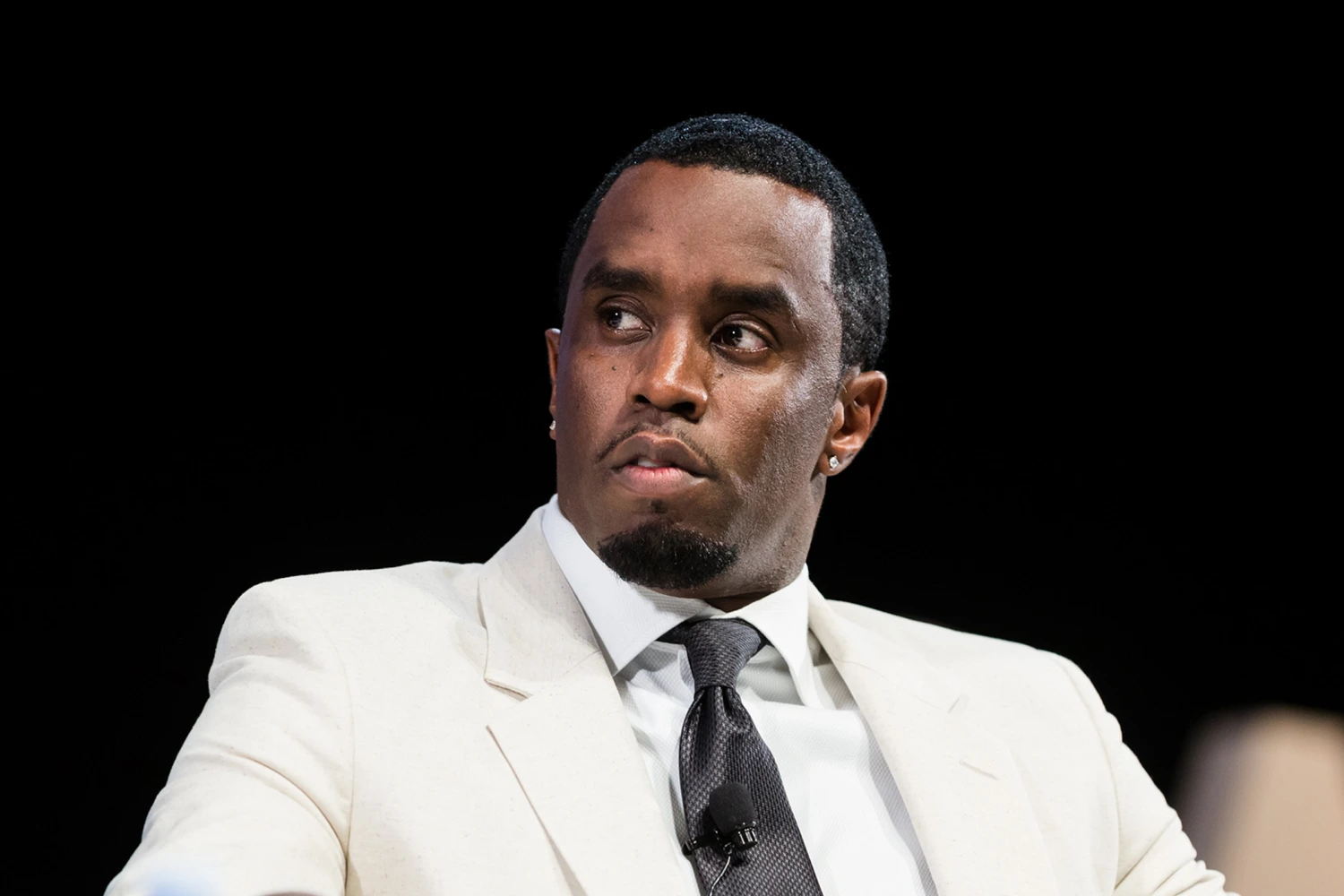
Sean "DIddy" Combs. PHOTO: NPC NEWS
Sean “Diddy” Combs—hip-hop icon, entrepreneur, and cultural force—has built a career on his larger-than-life persona, business acumen, and ability to dominate industries ranging from music to fashion to spirits. But his recent trial, which involves explosive allegations of racketeering, sex trafficking, and transportation to engage in prostitution, has cast a shadow over his legacy.
The federal trial, which began after his arrest in September 2024, has revealed shocking claims, including coercion, manipulation, and the abuse of power in both personal and professional settings. While Combs has pleaded not guilty to all charges, the case offers valuable lessons for small business owners about leadership, ethics, and the responsibility that comes with power.
Here’s what entrepreneurs can learn from the allegations and fallout surrounding Diddy’s trial.
Diddy has been accused of creating a toxic environment that involved coercion, manipulation, and abuse of power—both in his personal relationships and his professional dealings. The trial has highlighted allegations of “freak-offs,” elaborate sexual encounters with escorts that were reportedly coerced, as well as threats of financial and reputational harm to control others.
In business, leaders hold significant power over employees, partners, and collaborators. whether through coercion, intimidation, or favoritism—can lead to toxic environments and long-term damage to the organization.
The case has shown how Diddy’s alleged actions went unchecked for years, with accusations of violence, threats, and even financial control over his accusers. Testimonies from former employees and partners reveal a pattern of behavior that created a culture of fear and silence around him.
For small business owners, this is a reminder that accountability begins with leadership. If you fail to hold yourself and others accountable, you risk fostering an environment where misconduct is ignored or accepted.
A recurring theme in the trial is how Combs’ personal actions—both alleged and confirmed—have affected his professional reputation. From footage of him physically assaulting Cassie in a hotel hallway to allegations of coercion during drug-fueled parties, the courtroom revelations have tarnished his public image and cast a shadow over his brand.
For small business owners, this reinforces an important truth: your personal behavior can have far-reaching consequences for your business. Customers, employees, and partners often associate the values and reputation of a business with its leader.
The case has also highlighted the dangers of power imbalances. Testimonies from accusers like Cassie allege that Diddy used financial control—such as threatening to withhold rent payments—to coerce others into complying with his demands.
In a small business setting, power dynamics are also present, particularly between employers and employees or business owners and partners. Misusing that power, even unintentionally, can lead to resentment, distrust, and legal challenges.
The allegations against Diddy span more than a decade, with claims of abuse dating back decades. Had there been systems in place to address grievances or hold him accountable earlier, the damage to his brand—and to the individuals involved—might have been mitigated.
For small businesses, neglecting proactive measures to address workplace issues can lead to larger crises later. Waiting until problems escalate is not only costly but can also permanently harm your business’s reputation.
The Sean “Diddy” Combs trial is a cautionary tale about the consequences of unchecked power, unethical behavior, and a lack of accountability. For small business owners, it underscores the importance of leadership that prioritizes transparency, fairness, and integrity.
Running a business isn’t just about profits—it’s about creating a legacy founded on trust and respect. By learning from the mistakes and controversies of others, entrepreneurs can build companies that inspire loyalty, foster positive relationships, and stand the test of time.
Keep Reading
Inside the funding round driving the shift to intelligent construction fleets
Updated
February 7, 2026 2:12 PM

Aerial shot of an excavator. PHOTO: UNSPLASH
Bedrock Robotics has raised US$270 million in Series B funding as it works to integrate greater automation into the construction industry. The round, co-led by CapitalG and the Valor Atreides AI Fund, values the San Francisco-based company at US$1.75 billion, bringing its total funding to more than US$350 million.
The size of the investment reflects growing interest in technologies that can change how large infrastructure and industrial projects are built. Bedrock is not trying to reinvent construction from scratch. Instead, it is focused on upgrading the machines contractors already use—so they can work more efficiently, safely and consistently.
Founded in 2024 by former Waymo engineers, Bedrock develops systems that allow heavy equipment to operate with increasing levels of autonomy. Its software and hardware can be retrofitted onto machines such as excavators, bulldozers and loaders. Rather than relying on one-off robotic tools, the company is building a connected platform that lets fleets of machines understand their surroundings and coordinate with one another on job sites.
This is what Bedrock calls “system-level autonomy”. Its technology combines cameras, lidar and AI models to help machines perceive terrain, detect obstacles, track work progress and carry out tasks like digging and grading with precision. Human supervisors remain in control, monitoring operations and stepping in when needed. Over time, Bedrock aims to reduce the amount of direct intervention those machines require.
The funding comes as contractors face rising pressure to deliver projects faster and with fewer available workers. In the press release, Bedrock notes that the industry needs nearly 800,000 additional workers over the next two years and that project backlogs have grown to more than eight months. These constraints are pushing firms to explore new ways to keep sites productive without compromising safety or quality.
Bedrock states that autonomy can help address those challenges. Not by removing people from the equation—but by allowing crews to supervise more equipment at once and reduce idle time. If machines can operate longer, with better awareness of their environment, sites can run more smoothly and with fewer disruptions.
The company has already started deploying its system in large-scale excavation work, including manufacturing and infrastructure projects. Contractors are using Bedrock’s platform to test how autonomous equipment can support real-world operations at scale, particularly in earthmoving tasks that demand precision and consistency.
From a business standpoint, the Series B funding will allow Bedrock to expand both its technology and its customer deployments. The company has also strengthened its leadership team with senior hires from Meta and Waymo, deepening its focus on AI evaluation, safety and operational growth. Bedrock says it is targeting its first fully operator-less excavator deployments with customers in 2026—a milestone for autonomy in complex construction equipment.
In that context, this round is not just about capital. It is about giving Bedrock the runway to prove that autonomous systems can move from controlled pilots into everyday use on job sites. The company bets that the future of construction will be shaped less by individual machines—and more by coordinated, intelligent systems that work alongside human crews.