
How the high-profile trial of the music mogul offers lessons for entrepreneurs on accountability, ethics, and leadership.
Updated
January 8, 2026 6:35 PM
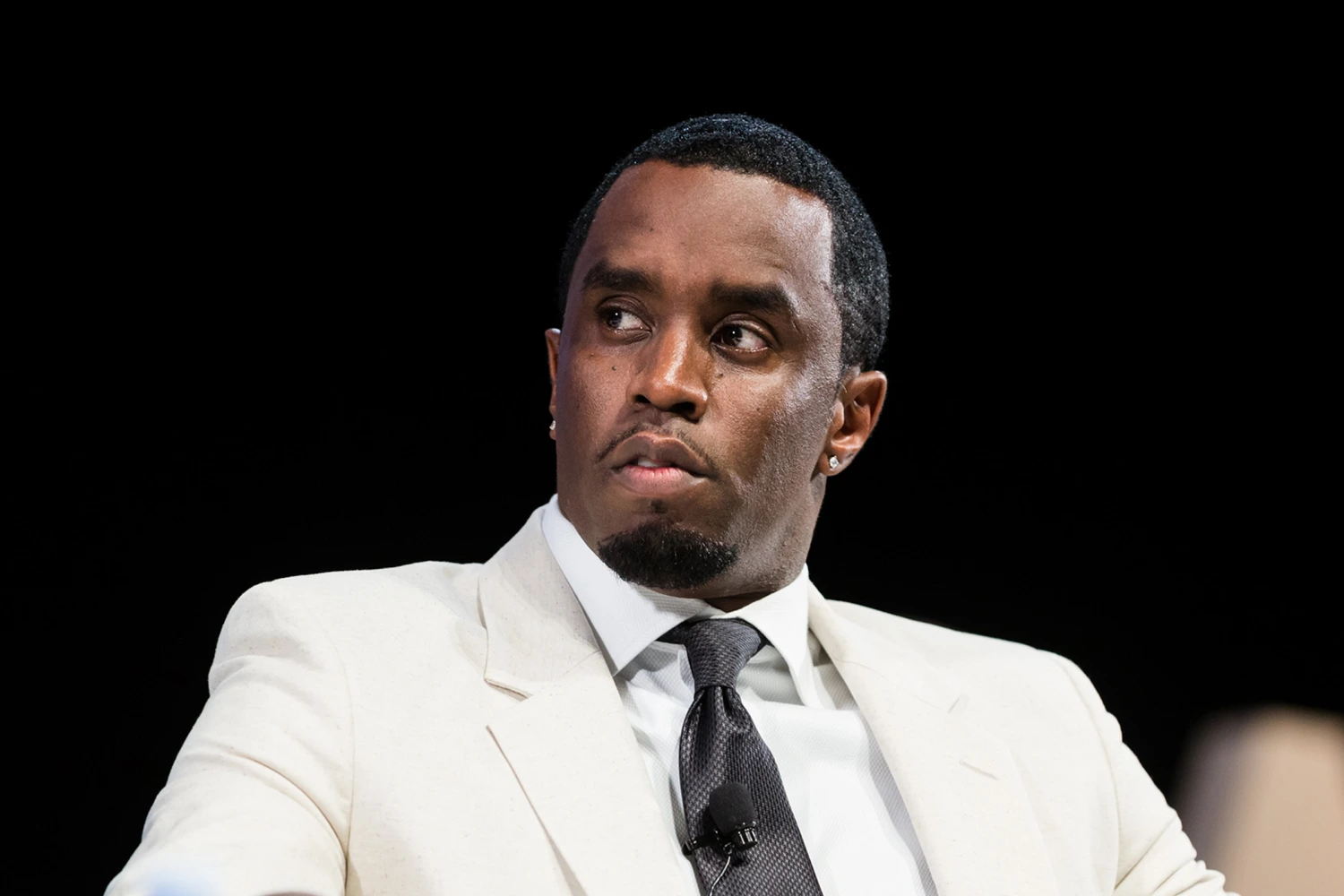
Sean "DIddy" Combs. PHOTO: NPC NEWS
Sean “Diddy” Combs—hip-hop icon, entrepreneur, and cultural force—has built a career on his larger-than-life persona, business acumen, and ability to dominate industries ranging from music to fashion to spirits. But his recent trial, which involves explosive allegations of racketeering, sex trafficking, and transportation to engage in prostitution, has cast a shadow over his legacy.
The federal trial, which began after his arrest in September 2024, has revealed shocking claims, including coercion, manipulation, and the abuse of power in both personal and professional settings. While Combs has pleaded not guilty to all charges, the case offers valuable lessons for small business owners about leadership, ethics, and the responsibility that comes with power.
Here’s what entrepreneurs can learn from the allegations and fallout surrounding Diddy’s trial.
Diddy has been accused of creating a toxic environment that involved coercion, manipulation, and abuse of power—both in his personal relationships and his professional dealings. The trial has highlighted allegations of “freak-offs,” elaborate sexual encounters with escorts that were reportedly coerced, as well as threats of financial and reputational harm to control others.
In business, leaders hold significant power over employees, partners, and collaborators. whether through coercion, intimidation, or favoritism—can lead to toxic environments and long-term damage to the organization.
The case has shown how Diddy’s alleged actions went unchecked for years, with accusations of violence, threats, and even financial control over his accusers. Testimonies from former employees and partners reveal a pattern of behavior that created a culture of fear and silence around him.
For small business owners, this is a reminder that accountability begins with leadership. If you fail to hold yourself and others accountable, you risk fostering an environment where misconduct is ignored or accepted.
A recurring theme in the trial is how Combs’ personal actions—both alleged and confirmed—have affected his professional reputation. From footage of him physically assaulting Cassie in a hotel hallway to allegations of coercion during drug-fueled parties, the courtroom revelations have tarnished his public image and cast a shadow over his brand.
For small business owners, this reinforces an important truth: your personal behavior can have far-reaching consequences for your business. Customers, employees, and partners often associate the values and reputation of a business with its leader.
The case has also highlighted the dangers of power imbalances. Testimonies from accusers like Cassie allege that Diddy used financial control—such as threatening to withhold rent payments—to coerce others into complying with his demands.
In a small business setting, power dynamics are also present, particularly between employers and employees or business owners and partners. Misusing that power, even unintentionally, can lead to resentment, distrust, and legal challenges.
The allegations against Diddy span more than a decade, with claims of abuse dating back decades. Had there been systems in place to address grievances or hold him accountable earlier, the damage to his brand—and to the individuals involved—might have been mitigated.
For small businesses, neglecting proactive measures to address workplace issues can lead to larger crises later. Waiting until problems escalate is not only costly but can also permanently harm your business’s reputation.
The Sean “Diddy” Combs trial is a cautionary tale about the consequences of unchecked power, unethical behavior, and a lack of accountability. For small business owners, it underscores the importance of leadership that prioritizes transparency, fairness, and integrity.
Running a business isn’t just about profits—it’s about creating a legacy founded on trust and respect. By learning from the mistakes and controversies of others, entrepreneurs can build companies that inspire loyalty, foster positive relationships, and stand the test of time.
Keep Reading
Sensing technology is facilitating the transition of drone delivery services from trial phases to regular daily operations.
Updated
January 23, 2026 10:41 AM

A quadcopter drone with package attached. PHOTO: FREEPIK
A new partnership between Hesai Technology, a LiDAR solutions company and Keeta Drone, an urban delivery platform under Meituan, offers a glimpse into how drone delivery is moving from experimentation to real-world scale.
Under the collaboration, Hesai will supply solid-state LiDAR sensors for Keeta’s next-generation delivery drones. The goal is to make everyday drone deliveries more reliable as they move from trials to routine operations. Keeta Drone operates in a challenging space—low-altitude urban airspace. Its drones deliver food, medicine and emergency supplies across cities such as Beijing, Shanghai, Hong Kong and Dubai. With more than 740,000 deliveries completed across 65 routes, the company has discontinued testing the concept. It is scaling it. For that scale to work, drones must be able to navigate crowded environments filled with buildings, trees, power lines and unpredictable conditions. This is where Hesai’s technology comes in.
Hesai’s solid-state LiDAR is integrated into Keeta's latest long-range delivery drones. LiDAR stands for Light Detection and Ranging. In simple terms, it is a sensing technology that helps machines understand their surroundings by sending out laser pulses and measuring how they bounce back. Unlike GPS, LiDAR does not rely solely on satellites to determine position. Instead, it gives drones a direct sense of their surroundings, helping them spot small but critical obstacles like wires or tree branches.
In a recent demonstration, Keeta Drone completed a nighttime flight using LiDAR-based navigation alone without relying on cameras or satellite positioning. This shows how the technology can support stable operations even when visibility is poor or GPS signals are limited.
The LiDAR system used in these drones is Hesai’s second-generation solid-state model known as FTX. Compared with earlier versions, the sensor offers higher resolution while being smaller and lighter—important considerations for airborne systems where weight and space are limited. The updated design also reduces integration complexity, making it easier to incorporate into commercial drone platforms. Large-scale production of the sensor is expected to begin in 2026.
From Hesai’s perspective, delivery drones are one of several forms robots are expected to take in the coming decades. Industry forecasts suggest robots will increasingly appear in many roles from industrial systems to service applications, with drones becoming a familiar part of urban infrastructure rather than a novelty.
For Keeta Drone, this improves safety and reliability. And for the broader industry, it signals that drone logistics is entering a more mature phase—one defined less by experimentation and more by dependable execution. Taken together, the partnership highlights a practical evolution in drone delivery.
As cities grow more complex, the question is no longer whether drones can fly but whether they can do so reliably, safely and at scale. At its core, this partnership is not about drones or sensors as products. It is about what it takes to make a complex system work quietly in real cities. As drone delivery moves out of pilot zones and into everyday use, reliability matters more than novelty.