
How the high-profile trial of the music mogul offers lessons for entrepreneurs on accountability, ethics, and leadership.
Updated
January 8, 2026 6:35 PM
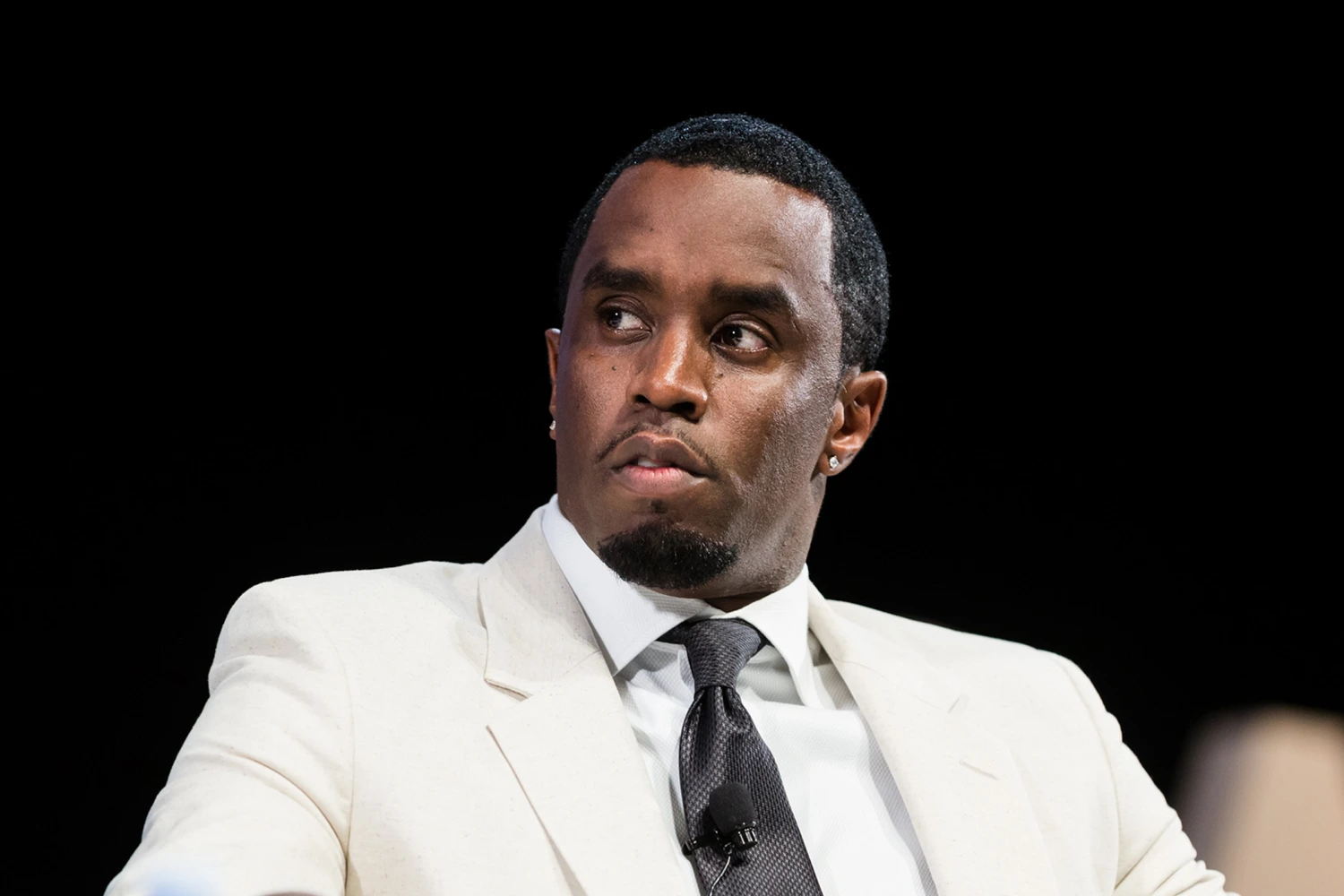
Sean "DIddy" Combs. PHOTO: NPC NEWS
Sean “Diddy” Combs—hip-hop icon, entrepreneur, and cultural force—has built a career on his larger-than-life persona, business acumen, and ability to dominate industries ranging from music to fashion to spirits. But his recent trial, which involves explosive allegations of racketeering, sex trafficking, and transportation to engage in prostitution, has cast a shadow over his legacy.
The federal trial, which began after his arrest in September 2024, has revealed shocking claims, including coercion, manipulation, and the abuse of power in both personal and professional settings. While Combs has pleaded not guilty to all charges, the case offers valuable lessons for small business owners about leadership, ethics, and the responsibility that comes with power.
Here’s what entrepreneurs can learn from the allegations and fallout surrounding Diddy’s trial.
Diddy has been accused of creating a toxic environment that involved coercion, manipulation, and abuse of power—both in his personal relationships and his professional dealings. The trial has highlighted allegations of “freak-offs,” elaborate sexual encounters with escorts that were reportedly coerced, as well as threats of financial and reputational harm to control others.
In business, leaders hold significant power over employees, partners, and collaborators. whether through coercion, intimidation, or favoritism—can lead to toxic environments and long-term damage to the organization.
The case has shown how Diddy’s alleged actions went unchecked for years, with accusations of violence, threats, and even financial control over his accusers. Testimonies from former employees and partners reveal a pattern of behavior that created a culture of fear and silence around him.
For small business owners, this is a reminder that accountability begins with leadership. If you fail to hold yourself and others accountable, you risk fostering an environment where misconduct is ignored or accepted.
A recurring theme in the trial is how Combs’ personal actions—both alleged and confirmed—have affected his professional reputation. From footage of him physically assaulting Cassie in a hotel hallway to allegations of coercion during drug-fueled parties, the courtroom revelations have tarnished his public image and cast a shadow over his brand.
For small business owners, this reinforces an important truth: your personal behavior can have far-reaching consequences for your business. Customers, employees, and partners often associate the values and reputation of a business with its leader.
The case has also highlighted the dangers of power imbalances. Testimonies from accusers like Cassie allege that Diddy used financial control—such as threatening to withhold rent payments—to coerce others into complying with his demands.
In a small business setting, power dynamics are also present, particularly between employers and employees or business owners and partners. Misusing that power, even unintentionally, can lead to resentment, distrust, and legal challenges.
The allegations against Diddy span more than a decade, with claims of abuse dating back decades. Had there been systems in place to address grievances or hold him accountable earlier, the damage to his brand—and to the individuals involved—might have been mitigated.
For small businesses, neglecting proactive measures to address workplace issues can lead to larger crises later. Waiting until problems escalate is not only costly but can also permanently harm your business’s reputation.
The Sean “Diddy” Combs trial is a cautionary tale about the consequences of unchecked power, unethical behavior, and a lack of accountability. For small business owners, it underscores the importance of leadership that prioritizes transparency, fairness, and integrity.
Running a business isn’t just about profits—it’s about creating a legacy founded on trust and respect. By learning from the mistakes and controversies of others, entrepreneurs can build companies that inspire loyalty, foster positive relationships, and stand the test of time.
Keep Reading
A closer look at how reading, conversation, and AI are being combined
Updated
February 7, 2026 2:18 PM

Assorted plush character toys piled inside a glass claw machine. PHOTO: ADOBE STOCK
In the past, “educational toys” usually meant flashcards, prerecorded stories or apps that asked children to tap a screen. ChooChoo takes a different approach. It is designed not to instruct children at them, but to talk with them.
ChooChoo is an AI-powered interactive reading companion built for children aged three to six. Instead of playing stories passively, it engages kids in conversation while reading. It asks questions, reacts to answers, introduces new words in context and adjusts the story flow based on how the child responds. The goal is not entertainment alone, but language development through dialogue.
That idea is rooted in research, not novelty. ChooChoo is inspired by dialogic reading methods from Yale’s early childhood language development work, which show that children learn language faster when stories become two-way conversations rather than one-way narration. Used consistently, this approach has been shown to improve vocabulary, comprehension and confidence within weeks.
The project was created by Dr. Diana Zhu, who holds a PhD from Yale and focused her work on how children acquire language. Her aim with ChooChoo was to turn academic insight into something practical and warm enough to live in a child’s room. The result is a device that listens, responds and adapts instead of simply playing content on command.
What makes this possible is not just AI, but where that AI runs.
Unlike many smart toys that rely heavily on the cloud, ChooChoo is built on RiseLink’s edge AI platform. That means much of the intelligence happens directly on the device itself rather than being sent back and forth to remote servers. This design choice has three major implications.
First, it reduces delay. Conversations feel natural because the toy can respond almost instantly. Second, it lowers power consumption, allowing the device to stay “always on” without draining the battery quickly. Third, it improves privacy. Sensitive interactions are processed locally instead of being continuously streamed online.
RiseLink’s hardware, including its ultra-low-power AI system-on-chip designs, is already used at large scale in consumer electronics. The company ships hundreds of millions of connected chips every year and works with global brands like LG, Samsung, Midea and Hisense. In ChooChoo’s case, that same industrial-grade reliability is being applied to a child’s learning environment.
The result is a toy that behaves less like a gadget and more like a conversational partner. It engages children in back-and-forth discussion during stories, introduces new vocabulary in natural context, pays attention to comprehension and emotional language and adjusts its pace and tone based on each child’s interests and progress. Parents can also view progress through an optional app that shows what words their child has learned and how the system is adjusting over time.
What matters here is not that ChooChoo is “smart,” but that it reflects a shift in how technology enters early education. Instead of replacing teachers or parents, tools like this are designed to support human interaction by modeling it. The emphasis is on listening, responding and encouraging curiosity rather than testing or drilling.
That same philosophy is starting to shape the future of companion robots more broadly. As edge AI improves and hardware becomes smaller and more energy efficient, we are likely to see more devices that live alongside people instead of in front of them. Not just toys, but helpers, tutors and assistants that operate quietly in the background, responding when needed and staying out of the way when not.
In that sense, ChooChoo is less about novelty and more about direction. It shows what happens when AI is designed not for spectacle, but for presence. Not for control, but for conversation.
If companion robots become part of daily life in the coming years, their success may depend less on how powerful they are and more on how well they understand when to speak, when to listen and how to grow with the people who use them.