
How ECOPEACE uses autonomous robots and data to monitor and maintain urban water bodies.
Updated
January 8, 2026 6:27 PM

A school of fish swimming among debris and waste. PHOTO: UNSPLASH
South Korea–based water technology company ECOPEACE is working on a practical challenge many cities face today: keeping urban water bodies clean as pollution and algae growth become more frequent. Rather than relying on periodic cleanup drives, the company focuses on systems that can monitor and manage water conditions on an ongoing basis.
At the core of ECOPEACE’s work are autonomous water-cleanup robots known as ECOBOT. These machines operate directly on lakes, reservoirs and rivers, removing algae and surface waste while also collecting information about water quality. The idea is to combine cleaning with constant observation so changes in water conditions do not go unnoticed.
Alongside the robots, ECOPEACE uses a filtration and treatment system designed to process polluted water continuously. This system filters out contaminants using fine metal filters and treats the water using electrical processes. It also cleans itself automatically, which allows it to run for long periods without frequent manual maintenance.
The role of AI in this setup is largely about decision-making rather than direct control. Sensors placed across the water body collect data such as pollution levels and water quality indicators. The software then analyses this data to spot early signs of issues like algae growth. Based on these patterns, the system adjusts how the robots and filtration units operate, such as changing treatment intensity or water flow. In simple terms, the technology helps the system respond sooner instead of waiting for visible problems to appear.
ECOPEACE has already deployed these systems across several reservoirs, rivers and urban waterways in South Korea. Those projects have helped refine how the robots, sensors and software work together in real environments rather than controlled test sites.
Building on that experience, the company has begun expanding beyond Korea. It is currently running pilot and proof-of-concept projects in Singapore and the United Arab Emirates. These deployments are testing how the technology performs in dense urban settings where waterways are closely linked to public health, infrastructure and daily city life.
Both regions have invested heavily in smart city initiatives and water management, making them suitable test beds for automated monitoring and cleanup systems. The pilots focus on algae control, surface cleaning and real-time tracking of water quality rather than large-scale rollout.
As cities continue to grow and climate-related pressures on water systems increase, managing waterways is becoming less about occasional intervention and more about continuous oversight. ECOPEACE’s approach reflects that shift by using automation and data to address problems early and reduce the need for reactive cleanup later.
Keep Reading
Amid AI and tech startups, Eastseabrother proved the power of demand and trust.
Updated
January 9, 2026 10:34 AM
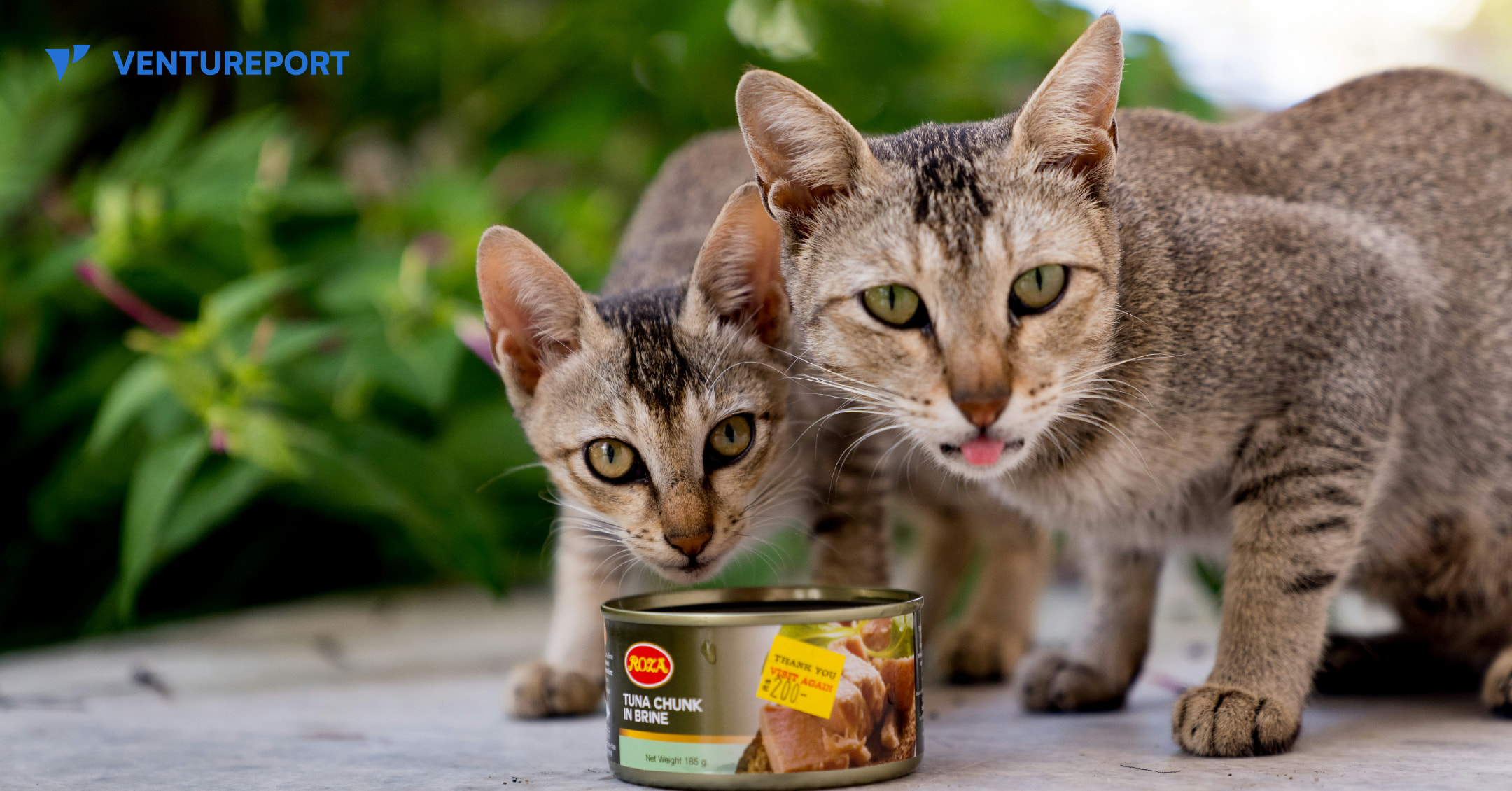
Cats having a jolly good time with a can of tuna. PHOTO: UNSPLASH
At a Silicon Valley pitch event crowded with AI, SaaS and deep-tech startups, the company that stood out was not selling software or algorithms. It was selling pet treats.
Eastseabrother, a premium pet food brand from South Korea, ranked first at a Plug and Play–hosted investor pitch competition in Sunnyvale. The product itself is simple: single-ingredient pet treats made from wild-caught seafood sourced from Korea’s East Sea. The company follows a principle it calls “Only What the Sea Allows”, working directly with regional fishermen while avoiding overfishing. With no additives and minimal processing, what sets Eastseabrother apart is not novelty, but control—over sourcing, supply chains and consistency.
That clarity helped the company walk away with both Best Product and Best Potential. “Investors asked detailed questions about repeat purchase rates and customer feedback, not just our technology or supply chain”, said Eunyul Kim, CEO of Eastseabrother. “That told us the market is shifting—real consumer trust now carries as much weight as a compelling tech narrative”.
What truly caught investors’ attention was not an ambitious vision of the future, but concrete evidence of traction today. Eastseabrother has already secured shelf space in specialty pet stores across California, New York and North Carolina, including an exclusive partnership with EarthWise Pet, a national specialty retail chain. At a consumer showcase at San Francisco’s Ferry Building, the brand recorded the highest on-site sales among all participating companies.
At its core, the pitch was built on simplicity: one ingredient, clear sourcing and a defined customer need. In a market saturated with complex products and abstract claims, that focus and transparency stood out.
The judges’ decision also reflects a broader shift in venture capital thinking. Not every successful startup is built on complex software or high-tech innovation. In categories like pet care—where trust, quality and transparency shape buying behavior—execution and credibility can matter more than technical sophistication.
Today, Eastseabrother has extended its reach beyond the U.S., expanding into Singapore and Hong Kong, with additional plans to grow further in North America as demand for premium pet food rises. And the broader takeaway from this pitch is not that consumer brands are overtaking tech startups. It is that investors are increasingly focused on fundamentals: who is buying, why they are returning and whether the business can sustain itself beyond the pitch deck.