
Turning computing heat into a practical heating solution for greenhouses.
Updated
January 8, 2026 6:27 PM

Inside of a workstation computer with red lighting. PHOTO: UNSPLASH
Most computing systems have one unavoidable side effect: they get hot. That heat is usually treated as a problem and pushed away using cooling systems. Canaan Inc., a technology company that builds high-performance computing machines, is now showing how that same heat can be reused instead of wasted.
In a pilot project in Manitoba, Canada, Canaan is working with greenhouse operator Bitforest Investment to recover heat generated by its computing systems. Rather than focusing only on computing output, the project looks at a more basic question—what happens to all the heat these machines produce and can it serve a practical purpose?
The idea is simple. Canaan’s computers run continuously and naturally generate heat. Instead of releasing that heat into the environment, the system captures it and uses it to warm water. That warm water is then fed into the greenhouse’s existing heating system. As a result, the greenhouse needs less additional energy to maintain the temperatures required for plant growth.
This is enabled through liquid cooling. Instead of using air to cool the machines, a liquid circulates through the system and absorbs heat more efficiently. Because liquid retains heat better than air, the recovered water reaches temperatures that are suitable for industrial use. In effect, the computing system supports greenhouse heating while continuing to perform its primary computing function.
What makes this approach workable is that it integrates with existing infrastructure. The recovered heat does not replace the greenhouse’s boilers but supplements them. By preheating the water that enters the boiler system, the overall energy demand is reduced. Based on current assumptions, Canaan estimates that a significant portion of the electricity used by the servers can be recovered as usable heat, though actual results will be confirmed once the system is fully operational.
This matters because heating is one of the largest energy expenses for commercial greenhouses, particularly in colder regions like Canada. Many facilities still rely heavily on fossil-fuel-based heating and policies such as carbon pricing are encouraging lower-emission alternatives. Reusing computing heat offers a way to improve efficiency without requiring a complete overhaul of existing systems.
The project is planned to run for an initial two-year period, allowing Canaan to evaluate real-world performance factors such as reliability, system stability and maintenance needs. These findings will help determine whether the model can be replicated in other agricultural or industrial settings.
More broadly, the initiative reflects a shift in how computing infrastructure can be designed. Instead of operating as energy-intensive systems isolated from everyday use, computing equipment can contribute to real-world applications. Canaan’s greenhouse pilot highlights how excess heat—often seen as a by-product—can become part of a more efficient and thoughtful energy loop.
In doing so, the project suggests that improving sustainability in technology is not only about reducing energy consumption, but also about finding smarter ways to reuse the energy already being generated.
Keep Reading
Bindwell is testing a simple idea: use AI to design smarter, more targeted pesticides built for today’s farming challenges.
Updated
January 8, 2026 6:33 PM
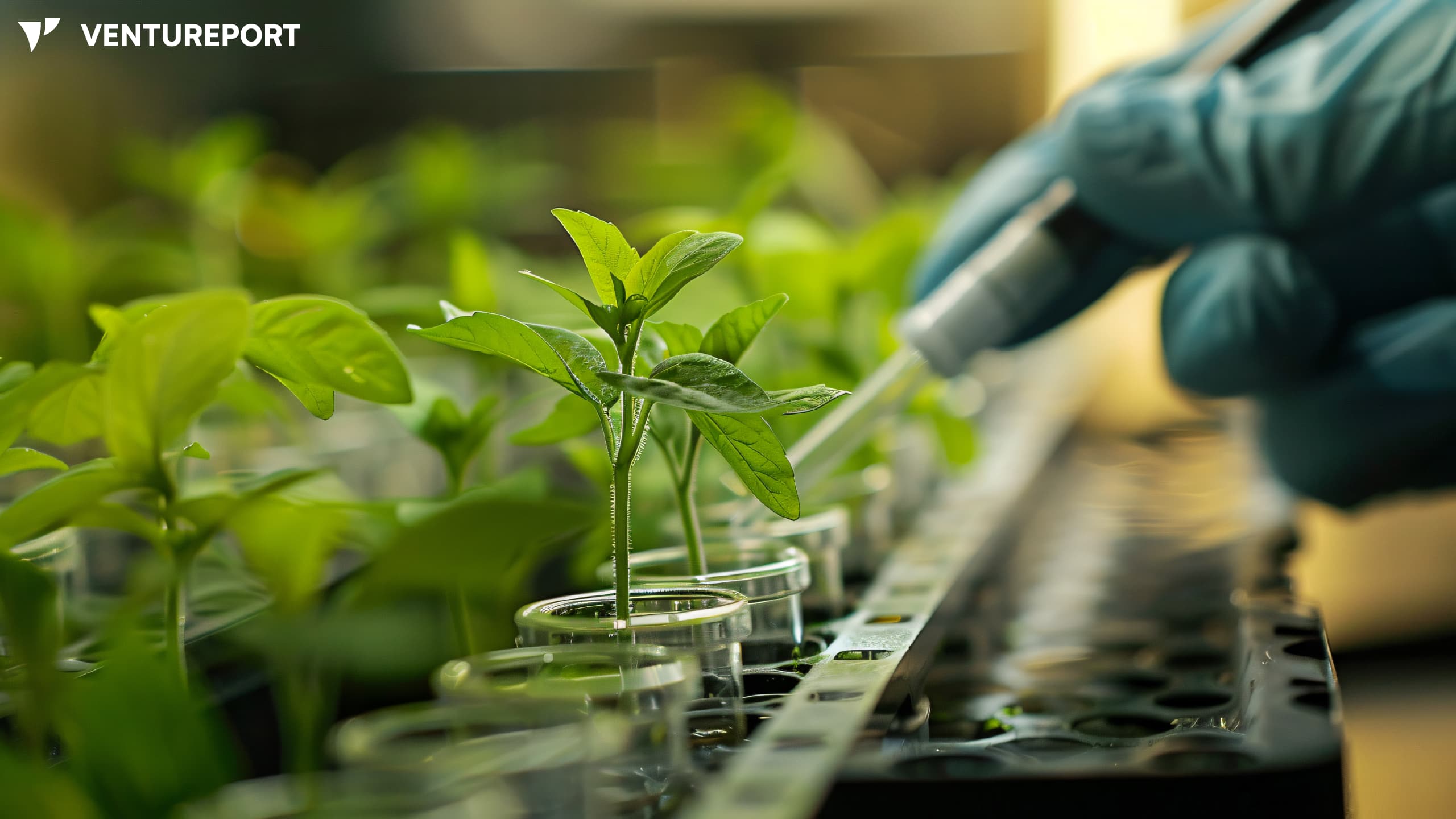
Researcher tending seedlings in a laboratory environment. PHOTO: FREEPIK
Bindwell, a San Francisco–based ag-tech startup using AI to design new pesticide molecules, has raised US$6 million in seed funding, co-led by General Catalyst and A Capital, with participation from SV Angel and Y Combinator founder Paul Graham. The round will help the company expand its lab in San Carlos, hire more technical talent and advance its first pesticide candidates toward validation.
Even as pesticide use has doubled over the last 30 years, farmers still lose up to 40% of global crops to pests and disease. The core issue is resistance: pests are adapting faster than the industry can update its tools. As a result, farmers often rely on larger amounts of the same outdated chemicals, even as they deliver diminishing returns.
Meanwhile, innovation in the agrochemical sector has slowed, leaving the industry struggling to keep up with rapidly evolving pests. This is the gap Bindwell is targeting. Instead of updating old chemicals, the company uses AI to find completely new compounds designed for today’s pests and farming conditions.
This vision is made even more striking by the people leading it. Bindwell was founded by 18-year-old Tyler Rose and 19-year-old Navvye Anand, who met at the Wolfram Summer Research Program in 2023. Both had deep ties to agriculture — Rose in China and Anand in India — witnessing up close how pest outbreaks and chemical dependence burdened farmers.
Filling the gap in today’s pesticide pipeline, Bindwell created an AI system that can design and evaluate new molecules long before they hit the lab. It starts with Foldwell, the company’s protein-structure model, which helps map the shapes of pest proteins so scientists know where a molecule should bind. Then comes PLAPT, which can scan through every known synthesized compound in just a few hours to see which ones might actually work. For biopesticides, they use APPT, a model tuned to spot protein-to-protein interactions and shown to outperform existing tools on industry benchmarks.
Bindwell isn’t selling AI tools. Instead, the company develops the molecules itself and licenses them to major agrochemical players. Owning the full discovery process lets the team bake in safety, selectivity and environmental considerations from day one. It also allows Bindwell to plug directly into the pipelines that produce commercial pesticides — just with a fundamentally different engine powering the science.
At present, the team is now testing its first AI-generated candidates in its San Carlos lab and is in early talks with established pesticide manufacturers about potential licensing deals. For Rose and Anand, the long-term vision is simple: create pest control that works without repeating the mistakes of the last half-century. As they put it, the goal is not to escalate chemical use but to design molecules that are more precise, less harmful and resilient against resistance from the start.