
A global survey shows robot anxiety drops when people encounter robots in real life
Updated
March 13, 2026 2:25 PM

Ameca the humanoid robot, featuring a grey rubber face. PHOTO: ADOBE STOCK
People often assume robots make people uneasy everywhere. But a new global study suggests something more nuanced. Robot anxiety tends to be highest in places where people rarely see robots in real life. Where robots are more visible, attitudes are often far more positive. That insight comes from a global study by Hexagon AB, which surveyed 18,000 participants across nine major markets. The research explored how adults and children think about robots and how those views change depending on everyday exposure.
In the United Kingdom, anxiety about robots is the highest among the countries studied. Around 52% of adults say they feel worried that something might go wrong when they think about interacting with or working alongside robots. South Korea sits at the other end of the spectrum, with only 29% reporting similar concerns. One factor appears to explain much of the gap: familiarity.
British adults are among the least likely to have encountered robots in real life. Only about 30% say they have seen or used one. In contrast, countries where robots are more visible tend to report greater comfort. China offers the clearest example. Around 75% of adults there say they have seen or interacted with robots. At the same time, 81% say they feel excited about the technology’s future potential.
The study suggests that attitudes toward robots are not fixed. Instead, they shift depending on where people encounter them and what tasks they perform. When robots are seen solving clear, practical problems, confidence tends to rise.
Across the surveyed countries, adults report the highest comfort levels with robots working in factories and warehouses. Around 63% say they are comfortable with robots in those environments. These are settings where tasks are clearly defined and safety standards are well understood. Acceptance drops in more personal spaces. Only 46% say they feel comfortable with robots in the home, while comfort falls further to 39% when robots are imagined in classrooms.
In other words, context matters. People appear more willing to accept robots when they take on physically demanding or dangerous work. Half of the respondents say improved safety is one of the main advantages of robotics in those environments. A similar share point to productivity gains as another benefit. Another finding challenges a common assumption about public fears. Job loss is often described as the biggest concern surrounding robotics. But the study suggests security risk worries people more.
Around 51% of adults say their biggest concern about robots at work is the possibility that the machines could be hacked or misused. That fear outweighs worries about physical malfunction or injury, which stand at 41%. Concerns about being replaced at work appear at the same level.
For many respondents, the issue is not simply whether robots can perform tasks. It is whether the systems controlling them are secure. According to researchers involved in the study, these concerns reflect how people evaluate emerging technologies. Instead of having a single opinion about robotics, people tend to judge each situation individually.
A robot helping assemble products in a factory may feel acceptable. The same technology operating in more sensitive environments can raise different questions. Dr. Jim Everett, an associate professor in moral psychology, says trust in artificial intelligence and robotics is often misunderstood. People are not simply asking whether they trust the technology, he notes. They are thinking about specific tools performing specific roles.
A robot assisting in a classroom or helping in healthcare carries different expectations than an AI system used in defense or surveillance. Even though these technologies are often grouped together in public debates, people evaluate them differently depending on their purpose.
Finally, the study also highlights another important factor shaping public attitudes: experience. When people actually encounter robots, fear often declines. Michael Szollosy, a robotics researcher involved in the project, says reactions tend to change quickly when individuals meet a robot for the first time.
The idea of an autonomous machine can feel intimidating in theory. But when people see a small service robot or an industrial machine performing a straightforward task, the reaction is often much calmer. Exposure can shift perceptions from abstract fears to practical understanding.
That shift matters because robotics is moving steadily into everyday environments. From manufacturing and logistics to healthcare and public services, machines capable of autonomous or semi-autonomous work are becoming more common.
As that happens, the study suggests public confidence may depend less on technical breakthroughs and more on visibility and transparency. Burkhard Boeckem, chief technology officer at Hexagon AB, argues that trust grows when people understand what robots are designed to do and where their limits lie.
Anxiety tends to increase when systems feel invisible or poorly understood. Clear boundaries and clear explanations can have the opposite effect. When people see robots working safely alongside humans, performing well-defined tasks and operating within clear rules, the technology becomes easier to accept.
In that sense, the future of robotics may depend as much on public familiarity as on engineering. The machines themselves are advancing quickly. But the relationship between humans and robots is still being negotiated. For now, the study offers a simple insight: the more people encounter robots in everyday life, the less mysterious they become. And once the mystery fades, the conversation often changes from fear to curiosity.
Keep Reading
How the high-profile trial of the music mogul offers lessons for entrepreneurs on accountability, ethics, and leadership.
Updated
January 8, 2026 6:35 PM
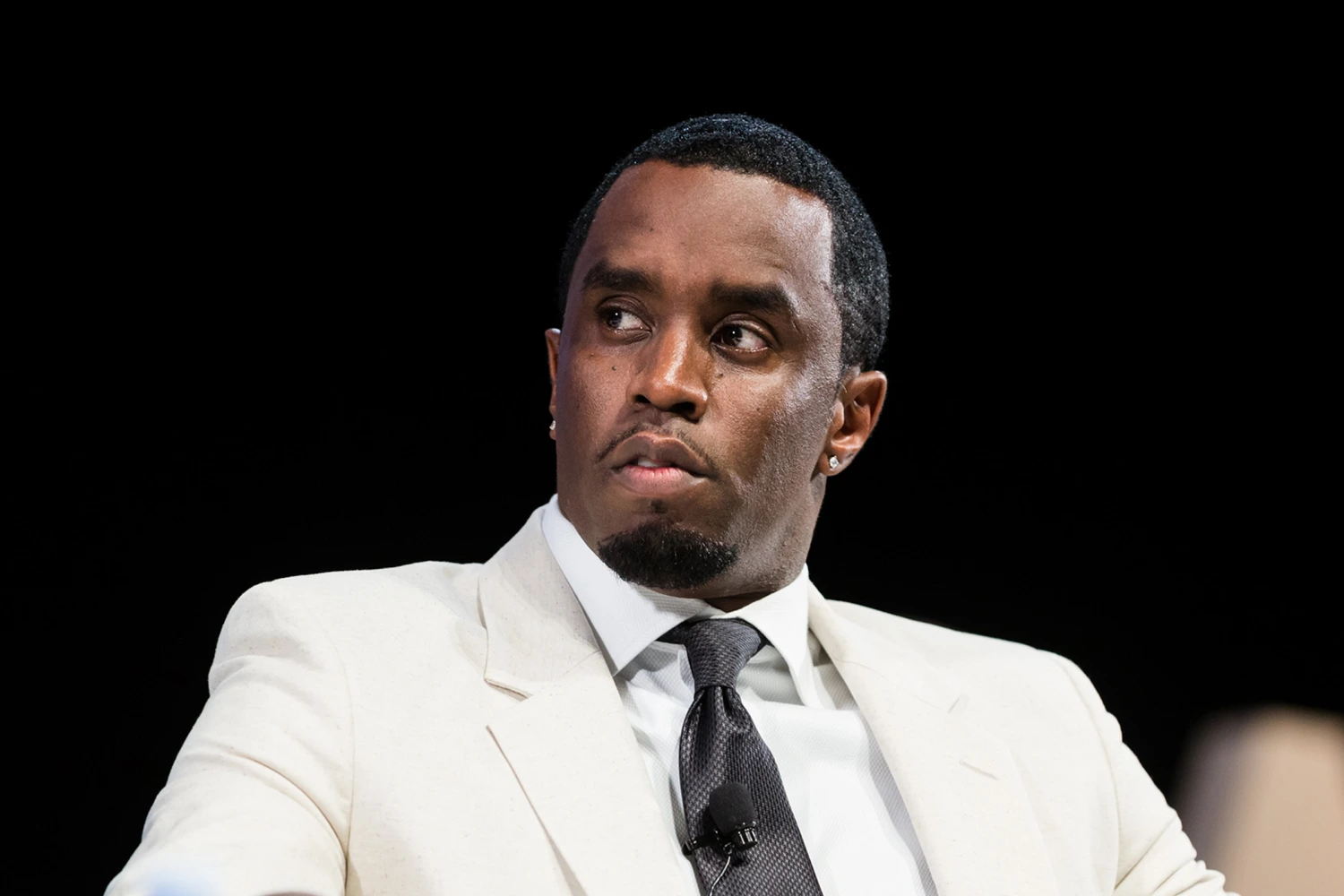
Sean "DIddy" Combs. PHOTO: NPC NEWS
Sean “Diddy” Combs—hip-hop icon, entrepreneur, and cultural force—has built a career on his larger-than-life persona, business acumen, and ability to dominate industries ranging from music to fashion to spirits. But his recent trial, which involves explosive allegations of racketeering, sex trafficking, and transportation to engage in prostitution, has cast a shadow over his legacy.
The federal trial, which began after his arrest in September 2024, has revealed shocking claims, including coercion, manipulation, and the abuse of power in both personal and professional settings. While Combs has pleaded not guilty to all charges, the case offers valuable lessons for small business owners about leadership, ethics, and the responsibility that comes with power.
Here’s what entrepreneurs can learn from the allegations and fallout surrounding Diddy’s trial.
Diddy has been accused of creating a toxic environment that involved coercion, manipulation, and abuse of power—both in his personal relationships and his professional dealings. The trial has highlighted allegations of “freak-offs,” elaborate sexual encounters with escorts that were reportedly coerced, as well as threats of financial and reputational harm to control others.
In business, leaders hold significant power over employees, partners, and collaborators. whether through coercion, intimidation, or favoritism—can lead to toxic environments and long-term damage to the organization.
The case has shown how Diddy’s alleged actions went unchecked for years, with accusations of violence, threats, and even financial control over his accusers. Testimonies from former employees and partners reveal a pattern of behavior that created a culture of fear and silence around him.
For small business owners, this is a reminder that accountability begins with leadership. If you fail to hold yourself and others accountable, you risk fostering an environment where misconduct is ignored or accepted.
A recurring theme in the trial is how Combs’ personal actions—both alleged and confirmed—have affected his professional reputation. From footage of him physically assaulting Cassie in a hotel hallway to allegations of coercion during drug-fueled parties, the courtroom revelations have tarnished his public image and cast a shadow over his brand.
For small business owners, this reinforces an important truth: your personal behavior can have far-reaching consequences for your business. Customers, employees, and partners often associate the values and reputation of a business with its leader.
The case has also highlighted the dangers of power imbalances. Testimonies from accusers like Cassie allege that Diddy used financial control—such as threatening to withhold rent payments—to coerce others into complying with his demands.
In a small business setting, power dynamics are also present, particularly between employers and employees or business owners and partners. Misusing that power, even unintentionally, can lead to resentment, distrust, and legal challenges.
The allegations against Diddy span more than a decade, with claims of abuse dating back decades. Had there been systems in place to address grievances or hold him accountable earlier, the damage to his brand—and to the individuals involved—might have been mitigated.
For small businesses, neglecting proactive measures to address workplace issues can lead to larger crises later. Waiting until problems escalate is not only costly but can also permanently harm your business’s reputation.
The Sean “Diddy” Combs trial is a cautionary tale about the consequences of unchecked power, unethical behavior, and a lack of accountability. For small business owners, it underscores the importance of leadership that prioritizes transparency, fairness, and integrity.
Running a business isn’t just about profits—it’s about creating a legacy founded on trust and respect. By learning from the mistakes and controversies of others, entrepreneurs can build companies that inspire loyalty, foster positive relationships, and stand the test of time.