
The Influencer Evolution: Recognizing the Power and Potential of Each Type.
Updated
January 8, 2026 6:35 PM
.jpg)
A group of people filming a video for social media. PHOTO: UNSPLASH
In an era where social media reigns supreme, influencers have emerged as powerful players in the marketing game. They have the ability to sway opinions, drive trends, and create waves of engagement that brands can only dream of. But not all influencers are created equal; they come in various shapes and sizes, each with a unique approach to connecting with their audience. Under standing the different types of influencers can illuminate how they impact our daily lives and the choices we make. Let’s dive into the captivating world of influencers and explore the diverse categories that define them.
When you think of influencers, mega influencers are often the first that come to mind. These are the A-list celebrities, athletes, and global icons with millions of followers on platforms like Instagram, TikTok, and YouTube. Their immense reach allows brands to tap into vast audiences, making them highly sought after for endorsements.
Mega influencers have the power to generate instant buzz around a product or campaign. Their celebrity status lends credibility, and fans are often eager to emulate their lifestyles. However, this type of influencer can come with a hefty price tag, making them suitable for brands with substantial marketing budgets.
Just below the mega influencers are macro influencers, who typically boast between 100,000to 1 million followers. While they may not have the same level of fame as celebrities, macro influencers often command a loyal and engaged audience. They are usually experts in specific niches, such as fitness, beauty, travel, or technology.
Macro influencers combine reach with relevance. Their targeted expertise allows brands to connect with specific demographics, making them an ideal choice for campaigns aimed at niche markets. Their followers often view them as relatable and trustworthy, which can lead to higher engagement rates.
Micro influencers are the rising stars of the influencer world, typically having between 10,000 to 100,000 followers. What sets them apart is their authentic connection with their audience. They often have a more intimate relationship with their followers, leading to higher engagement and trust.
Brands are increasingly turning to micro influencers for their ability to create genuine conversations around products. The cost-effectiveness of partnering with micro influencers also allows brands to run multiple campaigns across different influencers, amplifying their reach while maintaining authenticity.
At the bottom of the influencer hierarchy are nano influencers, who have 1,000 to 10,000 followers. While their follower count may be modest, nano influencers often possess a highly engaged audience that views them as close friends, families or peers rather than celebrities.
Nano influencers are perfect for brands looking to create grassroots campaigns. Their genuine enthusiasm and relatability can lead to strong word-of-mouth marketing. Engaging with nano influencers often comes at a lower cost, making them an attractive option for small businesses and startups.
Brand ambassadors are influencers who have a long-term relationship with a brand, often representing them across multiple campaigns. They can fall into any of the previous categories but are distinguished by their commitment to the brand and its values.
By cultivating brand ambassadors, companies can create consistent messaging and foster loyalty among customers. These influencers often resonate with audiences more deeply, as they embody the brand’s identity and promote its products authentically over time.
The world of influencers is as diverse as it is dynamic, with each type offering unique advantages for brands looking to connect with consumers. From the glitzy allure of mega influencers to the genuine relatability of nano influencers, understanding these categories can help brands make informed choices in their marketing strategies. As the digital landscape continues to evolve, the role of influencers will only grow, shaping trends and driving engagement in ways we are just beginning to comprehend. By leveraging the right type of influencer, brands can effectively navigate this vibrant ecosystem, ensuring their message resonates with the audiences that matter most.
Keep Reading
Bitmo Lab is testing an ultra-thin, bendable tracker built to fit inside items traditional trackers can’t
Updated
March 17, 2026 1:02 AM
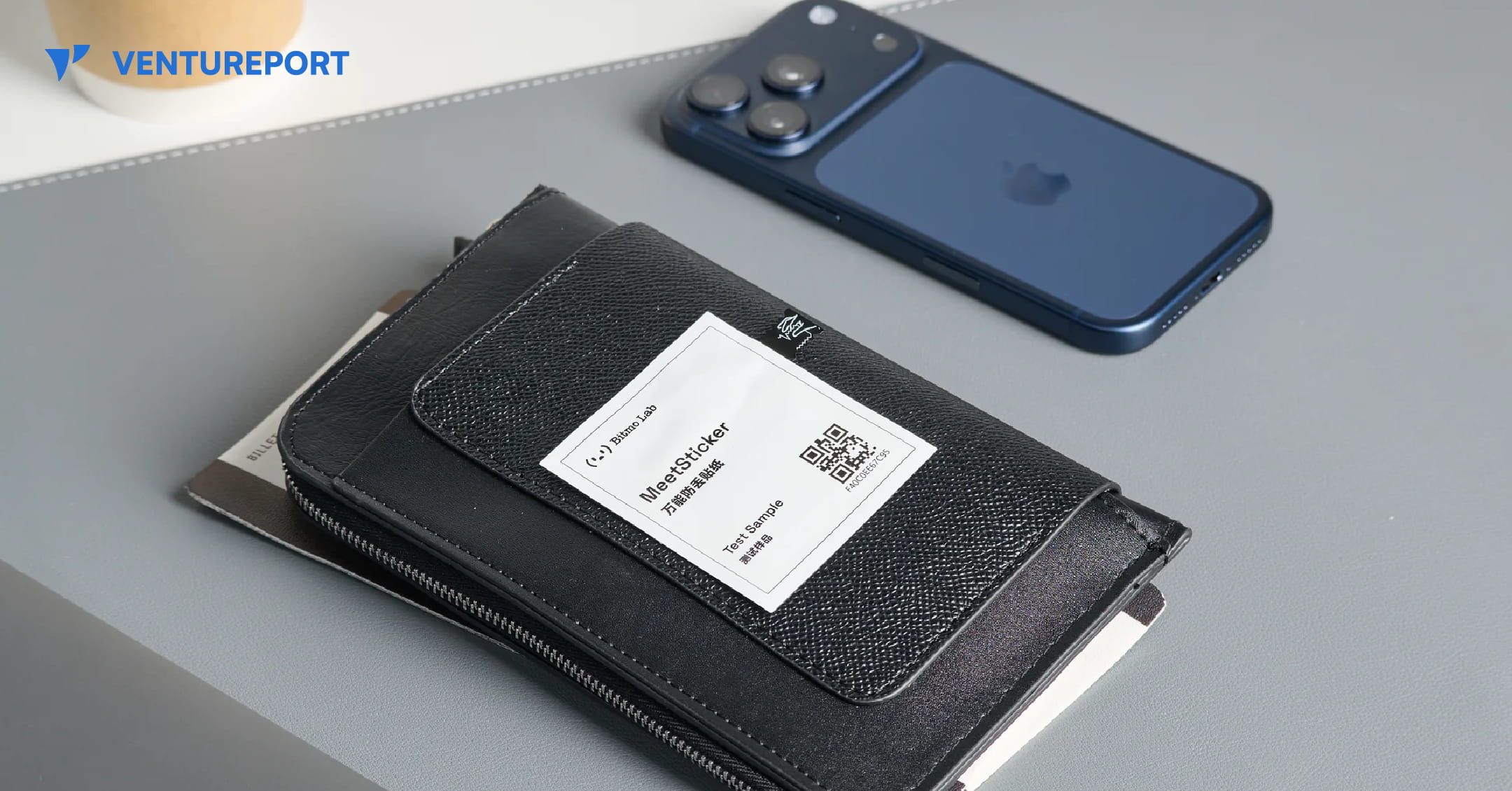
Bitmo Lab's MeetSticker tracker. PHOTO: BITMO LAB
Location trackers have become everyday accessories for keys, bags and luggage. But as personal items grow slimmer and more design-focused — from minimalist wallets to passport sleeves and specialised gear — tracking them has become less straightforward. Most trackers are built as small, rigid discs that assume the presence of space, loops or compartments. That assumption has created a growing mismatch between modern product design and the technology meant to secure it.
Hong Kong–based startup Bitmo Lab is attempting to address that gap with a device called MeetSticker. Instead of the solid plastic casing typical of most trackers, MeetSticker is engineered to be flexible and ultra-thin, measuring just 0.8 millimetres thick. The bendable design allows it to sit within narrow compartments or along curved surfaces without altering the shape of the object. Rather than attaching to an item externally, it is intended to integrate discreetly inside it.
That structural shift is the core of the product’s proposition. By removing the rigid shell that defines conventional tracking hardware, MeetSticker can be placed in items that previously had no practical way to accommodate a tracker. Bitmo Lab states that the device connects through a proprietary network and a companion application compatible with both iOS and Android, positioning it as a cross-platform solution rather than one tied to a single ecosystem.
The implications extend beyond form factor. Objects without obvious attachment points — such as compact travel accessories or specialised tools — could potentially be monitored without visible add-ons. In doing so, the device broadens the scope of tracking technology into categories where aesthetics, aerodynamics or compact design matter as much as functionality.
Before moving toward retail distribution, however, the company is focusing on validation. Bitmo Lab has launched a five-week global alpha testing programme beginning February 9. Sixty participants will receive a prototype unit and early access to the app. According to the company, the programme is designed to assess durability, usability and real-world performance before a wider commercial release. Participants who provide feedback will receive a retail unit upon launch.
Such testing is particularly relevant for flexible electronics. Unlike rigid devices, bendable hardware must withstand repeated flexing, daily handling and environmental exposure. Early user data can help refine manufacturing processes and software optimisation before scaling production.
As with other connected tracking devices, privacy considerations remain part of the equation. Bitmo Lab has stated that data collected during the alpha programme will be used strictly for testing purposes and deleted once the programme concludes.
Whether flexible trackers will redefine the category will depend on how they perform outside controlled testing environments. Still, the introduction of a near-invisible, bendable tracking device reflects a broader shift in consumer technology. As everyday products become thinner and more design-conscious, the tools built to protect them may need to adapt just as seamlessly.