
Because running a café takes more than just a good roast
Updated
March 18, 2026 6:29 PM
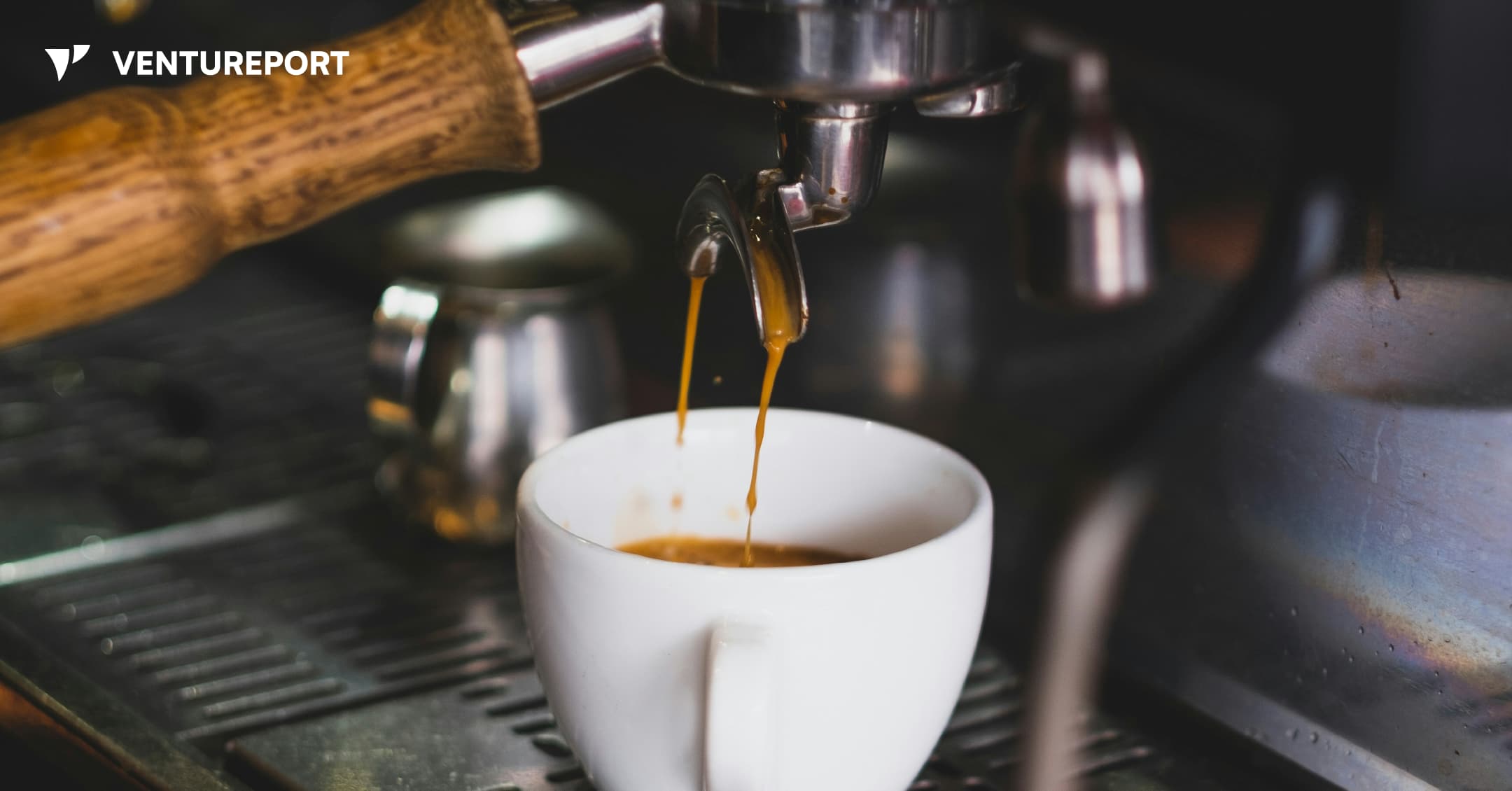
A cup of espresso being brewed. PHOTO: UNSPLASH
Coffee has grown beyond being just a drink—it’s part of culture, connection and even a daily productivity hack. Think about it: friends catch up over cappuccinos, professionals start the day with a quick espresso and students practically live on iced lattes during exams. It’s woven into routines, with two-thirds of American adults consuming coffee on a daily basis and averaging around three cups per day. That is much higher than other beverages like tea, juice and bottled water. It is therefore no surprise that the global coffee shop industry is projected to reach about US$123.43 billion by 2030. For entrepreneurs, that makes coffee shops more than cozy corners with good aesthetics. They’re a real business opportunity. But before you open a coffee shop, here are five things you should know.
Like any small business, the success of your coffee shop often hinges on where it is. Coffee may have broad appeal, but daytime foot traffic and visibility can still make the difference between a busy café and one that struggles to stay afloat. Opening near universities, office parks, co-working hubs or residential neighbourhoods with young professionals can instantly give you a strong stream of potential customers.
That said, choosing a coffee shop location is not just about picking a busy area. You also need to know your target market. For example, opening a third-wave specialty coffee shop in a low-income neighbourhood may not work if your prices are beyond what local residents want to pay. The same café might perform much better in a more affluent or fast-changing district.
Competition matters a lot in the equation too. Walk around the area and see what other coffee shops are doing. The goal is not always to avoid competition but to find a gap in the market. If nearby cafés focus on quick grab-and-go drinks, there may be room for a slower, more community-driven coffee shop built around hand-poured brews and a relaxed atmosphere. Simply put, your shop’s exact street address could make or break your business.
It’s important to understand this early on: running a coffee shop is not just about serving coffee. Customers today have endless options, from making coffee at home to buying from major chains like Starbucks. What brings them through your doors is often the overall experience.
According to a report by Salesforce, 91% of customers say they’re more likely to make another purchase after a great service experience. That means your café needs to give people a reason to stay, come back and recommend it to others. Maybe it is the interior design, the playlist that feels just right, the reliable Wi-Fi, the convenient charging points or simply the way the space feels. Remember, good coffee gets people in once, but a strong customer experience gives them a reason to return.
Opening a modest-sized sit-down café in the U.S. can cost anywhere between US$100,000 and US$350,000. The final number depends on your location, your coffee shop concept, your equipment and how much you spend on the fit-out and interior design. Beyond those startup costs, your monthly expenses—like rent, utilities, staff salaries and coffee bean purchases—will play a huge role in whether your business survives the first year.
Profit margins in coffee retail are thinner than new owners expect. On average, small to medium-sized coffee shops make a 3-10% profit margin, which means efficiency is key. Selling higher-margin items like snacks, light bites and pastries can help lift revenue. A US$2 slice of banana bread, for example, may cost cents to make but can still raise the average spend per customer.
You also need to factor in seasonality when planning your coffee shop revenue. For instance, in warmer months, there is usually higher demand for iced and cold beverages. Many cafés respond by introducing cold brew, iced teas, smoothies or limited seasonal drinks to their menus. That helps keep sales steady and protects the average ticket size throughout the year. At the end of the day, running a café is just as much about managing the numbers as it is about serving great coffee.
A barista isn’t just someone pulling espresso shots; they’re often the face of your coffee shop. A warm smile, remembering a regular’s order or sharing a fun fact about the beans can create the kind of connection that keeps customers coming back.
As specialty coffee culture boomed in the early 2010s, baristas became more than brewers—they are now guides and storytellers. By talking about coffee origin, processing methods, bean varieties and roast profiles, they help customers understand what they are buying and why it matters. That mix of knowledge and personality can have a real impact on customer loyalty.
That’s why hiring and retaining great baristas is one of the smartest investments a café owner can make. Beyond competitive pay, creating a workplace where people feel valued also matters. Training, room for creativity and a sense of pride in the craft can go a long way in helping staff stay engaged.
Opening a coffee shop is exciting, but opening the doors and hoping people walk in is not enough. Good coffee shop marketing today is less about spending big and more about telling a story people want to follow. Well before you launch, start building hype and share behind-the-scenes snippets on Instagram, whether that is taste-tests, design decisions or even the messy parts of setting up the space. That kind of content feels real and helps build anticipation.
Once your café is open, think beyond basic promotion. Loyalty programs, collaborations with local businesses or even hosting events like poetry nights, art exhibits or coffee cupping sessions can all help bring people in. Social media is useful here too; it is not only a place to post latte art but also where you show what your brand stands for. Do you focus on sustainability? Do you source coffee ethically? Do you support local artists? Those details humanize your brand and make your café more than just a pitstop for caffeine.
Overall, opening a coffee shop blends passion, community and entrepreneurship. It also requires clear thinking and strong business decisions. From choosing the right location and creating a memorable customer experience to managing costs and building a great team, success takes more than just brewing good coffee. If you treat your coffee shop as both a craft and a business, you give it a much better chance of becoming a local favourite.
Keep Reading
From AI love affairs to cosmic survival, 2026 has it all.
Updated
January 8, 2026 6:28 PM

A man in a space suit looking upon a ringed marble. PHOTO: UNSPLASH
Grab your popcorn—the 2026 sci-fi movie slate is stacked. We’re getting everything from post-apocalyptic survival films to AI thrillers, plus a big-space adventure and a fresh DC superhero story. Some films launch new worlds, others expand familiar ones, but all of them aim to leave an impression, but all of them look like the kind of movies you’ll want to talk about after the credits.
Here are five upcoming sci-fi movies to mark on your calendar.

Release Date: January 9, 2026
Director: Kate Dolan
Stars: Lily Sullivan, David Rysdahl and Claudia Doumit
If you like your sci-fi with a creepy edge, Soulm8te is very much in that lane. A spin-off from the M3GAN universe, the film follows a man grieving the loss of his wife who turns to an AI android to ease the pain. At first, it seems to help. The connection feels real, even comforting. But before long, it becomes a little too real and slips into something far more dangerous. What makes Soulm8te unsettling is how close it feels to the present. AI companions are no longer science fiction, and the film plays with that reality in a way that feels intimate rather than futuristic. Directed by Kate Dolan, the story stays on quiet unease instead of spectacle, allowing tension to build as affection turns possessive and attachment becomes dangerous. The film is produced by Allison Williams and James Wan, both closely involved in the hit horror franchise M3GAN, and their experience with technology-driven horror is clearly felt here. Fans of grounded, psychological sci-fi should keep this one on their radar.
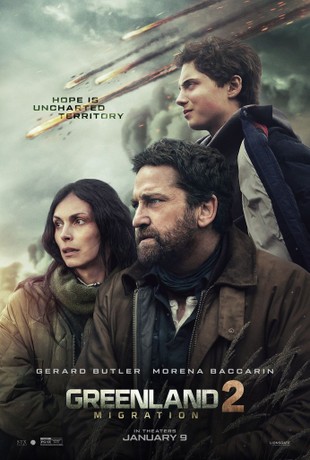
Release Date: January 9, 2026
Director: Ric Roman Waugh
Stars: Gerard Butler, Morena Baccarin, Amber Rose Revah, Sophie Thompson, Trond Fausa Aurvåg
Back in 2020, Greenland introduced audiences to John Garrity (Gerard Butler), a father racing against time to save his family as comet fragments threatened to wipe out life on Earth. The film ended with survivors heading into bunkers deep in Greenland, hanging on to the last thin thread of hope. This sequel follows the Garrity family as they leave the safety of underground shelters and face a world that no longer resembles home. The setting moves across a battered Europe, where every decision carries weight and every journey feels uncertain. Rather than repeating the ticking-clock chaos of the original, Migration leans into endurance, exhaustion and the question of whether rebuilding is even possible. It’s a post-apocalyptic movie about movement, loss and the cost of starting over.
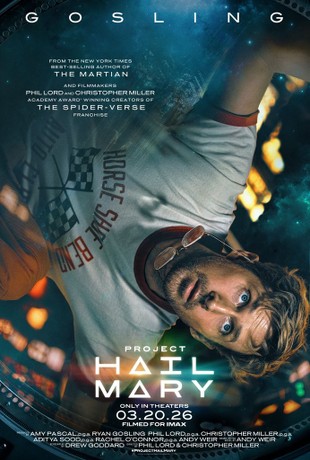
Release Date: March 20, 2026
Director: Phil Lord & Chris Miller
Stars: Ryan Gosling, Milana Vayntrub, Sandra Hüller
Based on Andy Weir’s best-selling novel, Project Hail Mary is shaping up to be one of the most talked-about space survival films of 2026. Ryan Gosling stars as Ryland Grace, an unlikely astronaut whose journey into space begins with confusion rather than heroics. Grace, a former junior high science teacher, wakes up alone on a spacecraft, cut off from Earth and missing key memories about how he got there. As pieces slowly fall into place, so does the scale of the problem he’s been sent to solve. The film blends real science with high-stakes isolation, balancing quiet moments with the pressure of a mission that affects the entire planet. Directed by Phil Lord and Chris Miller, Project Hail Mary promises tension, curiosity and a heavy dose of human vulnerability set against the vastness of space.
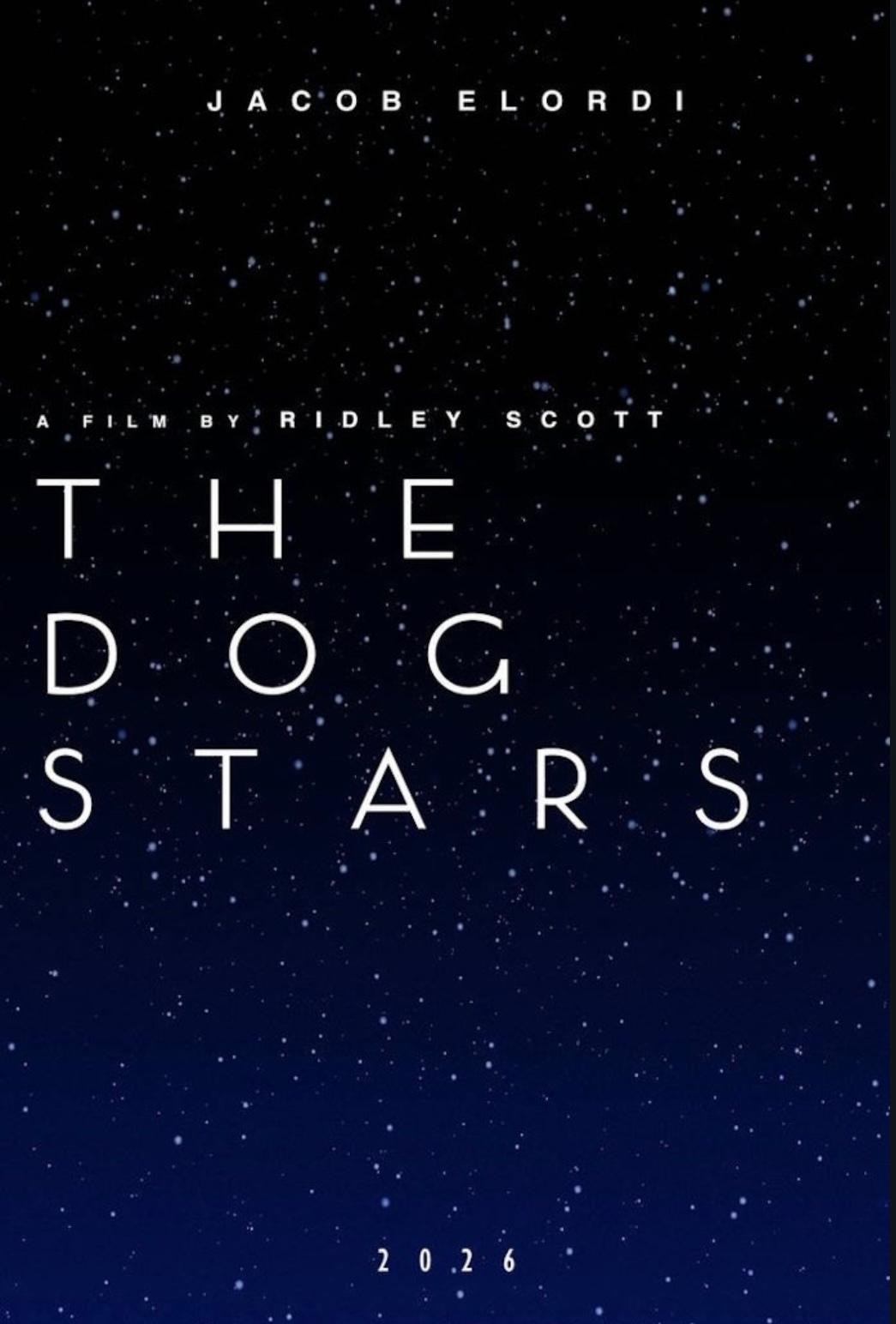
Release Date: March 27, 2026
Director: Ridley Scott
Stars: Jacob Elordi, Josh Brolin
The Dog Stars strips the apocalypse down to its bare essentials. Based on Peter Heller’s novel of the same name, the film features a screenplay by Mark L. Smith and Christopher Wilkinson, known for The Revenant and Ali. The setup of The Dog Stars is simple and bleak: a virus has erased most of humanity. What’s left is silence, abandoned airfields and roaming scavengers known as the “Reapers” who prey on the few survivors left behind.
Jacob Elordi plays Hig, a pilot living in isolation with his dog and a heavily armed companion. His days follow a strict routine, broken only by short flights in his aging Cessna. That fragile balance shatters when a distant radio signal breaks through the quiet. It’s the first real sign of life he has heard in years, and it draws him toward a journey that could change everything. Directed by Ridley Scott, the film focuses less on large-scale destruction and more on loneliness, hope and the risk of reaching out in a broken world. The result is a post-apocalyptic thriller that feels intimate, reflective and quietly tense.

Release Date: June 26, 2026
Director: Craig Gillespie
Stars: Milly Alcock, Jason Momoa, Matthias Schoenaerts
Supergirl: Woman of Tomorrow offers a very different take on the DC universe. This is a cosmic sci-fi story first, superhero film second. Kara Zor-El is older, tougher and shaped by memories of a world she lost. Unlike her cousin Superman, she remembers the destruction of Krypton clearly, and that history weighs heavily on her. The film follows Kara as she crosses paths with a young alien seeking justice, pulling her into a dangerous journey across distant worlds. Rather than focusing on Earth-saving spectacle, the story explores identity, grief and what heroism looks like far from home. With Milly Alcock stepping into the role, Supergirl 2026 aims to expand DC’s sci-fi side while giving the character emotional depth rarely seen on screen.
One reason science fiction movies stick with us is that they ask big questions in a way that feels personal. What happens when tech starts filling emotional gaps? What does survival look like when the world doesn’t bounce back? And how far would you go to save everyone you’ve ever known? If you’re looking for 2026 sci-fi movies that range from gritty to hopeful to unsettling, this lineup has you covered.