
AI meets AR: How Rokid Glasses bring multilingual, real-time intelligence to smart eyewear globally
Updated
March 3, 2026 3:50 PM

Rokid's smart glasses. PHOTO: ROKID
Rokid, a Chinese company specializing in AI-powered smart eyewear and human–computer interaction, has rolled out a major software update for the international version of its Rokid Glasses. This update makes it the first smart glasses manufacturer to natively support Google’s Gemini, alongside three other leading large language models: OpenAI’s ChatGPT, Alibaba’s Qwen and DeepSeek.
The integration is powered by Rokid’s device-to-cloud architecture, which enables users to switch between AI models on the fly. In practice, this means a traveler can receive a real-time translation in Japanese using one AI model, then quickly switch to ChatGPT to answer a technical query—without noticeable delay. The system also supports multi-modal inputs like voice and gestures, making interactions more intuitive for everyday use.
This is more than a routine software update. By combining AI models from both U.S. and Chinese developers, Rokid is making its smart glasses relevant to global users, with features that adapt to local languages and preferences while maintaining high performance.
These technological advancements have directly fueled Rokid’s international growth. Between November 2024 and October 2025, Shangpu Group data shows Rokid Glasses ranked No.1 in global sales for AI glasses with display functionality. Crowdfunding milestones further reflect this momentum: the product became the fastest smart glasses to raise over 100 million Japanese Yen on Japan’s MAKUAKE platform and broke Kickstarter records for smart eyewear.
Taken together, Rokid’s update highlights a shift in the smart glasses space: success increasingly comes from openness, flexibility and localized AI experiences rather than closed, single-platform ecosystems. By giving users choice, integrating global AI capabilities and bridging cultural and linguistic gaps, Rokid is positioning itself as a serious contender in the international AR and AI wearable market.
Keep Reading
Amid AI and tech startups, Eastseabrother proved the power of demand and trust.
Updated
January 23, 2026 10:41 AM
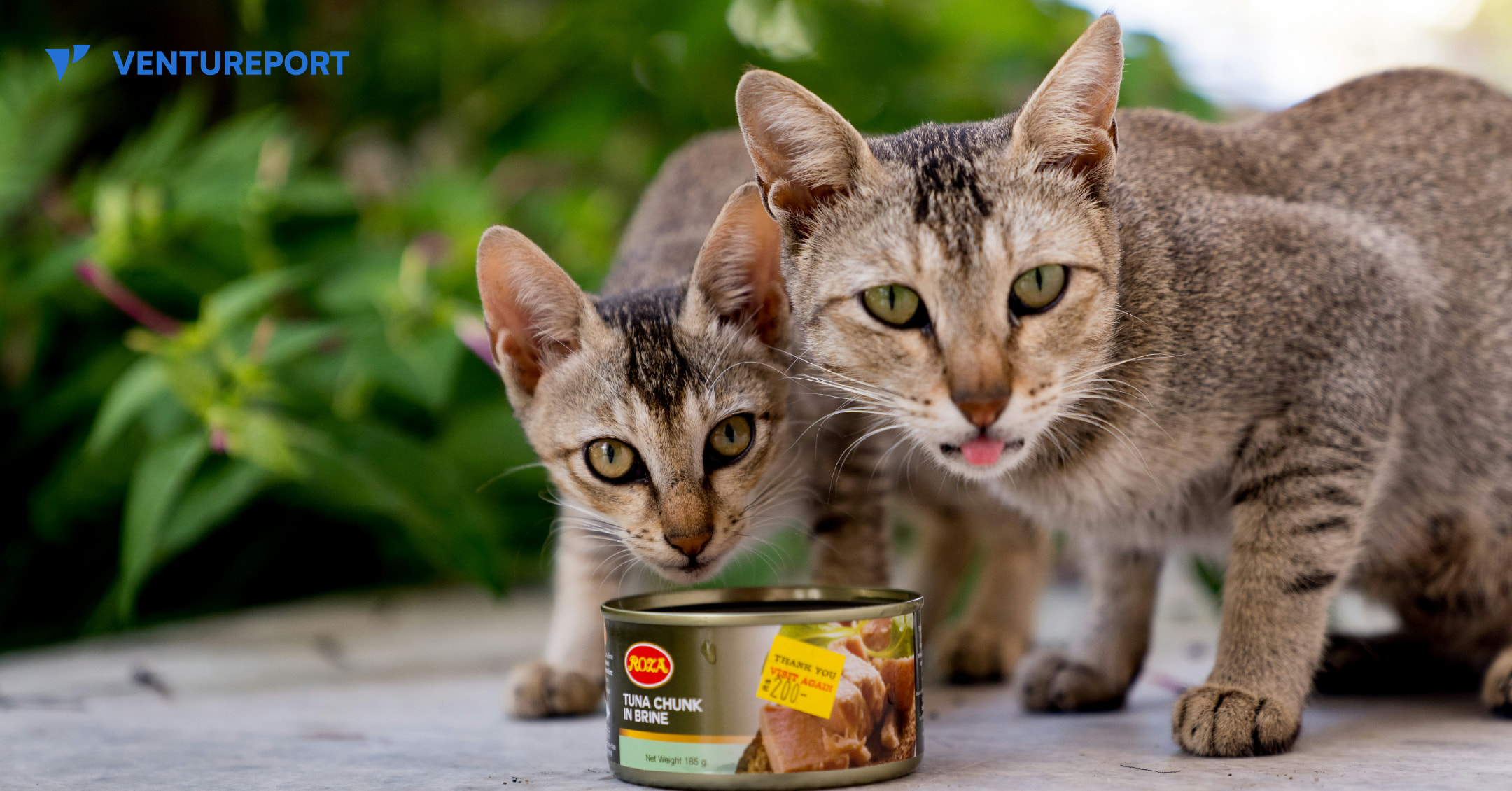
Cats having a jolly good time with a can of tuna. PHOTO: UNSPLASH
At a Silicon Valley pitch event crowded with AI, SaaS and deep-tech startups, the company that stood out was not selling software or algorithms. It was selling pet treats.
Eastseabrother, a premium pet food brand from South Korea, ranked first at a Plug and Play–hosted investor pitch competition in Sunnyvale. The product itself is simple: single-ingredient pet treats made from wild-caught seafood sourced from Korea’s East Sea. The company follows a principle it calls “Only What the Sea Allows”, working directly with regional fishermen while avoiding overfishing. With no additives and minimal processing, what sets Eastseabrother apart is not novelty, but control—over sourcing, supply chains and consistency.
That clarity helped the company walk away with both Best Product and Best Potential. “Investors asked detailed questions about repeat purchase rates and customer feedback, not just our technology or supply chain”, said Eunyul Kim, CEO of Eastseabrother. “That told us the market is shifting—real consumer trust now carries as much weight as a compelling tech narrative”.
What truly caught investors’ attention was not an ambitious vision of the future, but concrete evidence of traction today. Eastseabrother has already secured shelf space in specialty pet stores across California, New York and North Carolina, including an exclusive partnership with EarthWise Pet, a national specialty retail chain. At a consumer showcase at San Francisco’s Ferry Building, the brand recorded the highest on-site sales among all participating companies.
At its core, the pitch was built on simplicity: one ingredient, clear sourcing and a defined customer need. In a market saturated with complex products and abstract claims, that focus and transparency stood out.
The judges’ decision also reflects a broader shift in venture capital thinking. Not every successful startup is built on complex software or high-tech innovation. In categories like pet care—where trust, quality and transparency shape buying behavior—execution and credibility can matter more than technical sophistication.
Today, Eastseabrother has extended its reach beyond the U.S., expanding into Singapore and Hong Kong, with additional plans to grow further in North America as demand for premium pet food rises. And the broader takeaway from this pitch is not that consumer brands are overtaking tech startups. It is that investors are increasingly focused on fundamentals: who is buying, why they are returning and whether the business can sustain itself beyond the pitch deck.