
Reimagining biodefense at the intersection of AI, biology and urgency.
Updated
January 8, 2026 6:34 PM

Through computational tools, Valthos analyzes biological data to design adaptive solutions against emerging threats. PHOTO: VALTHOS
Valthos has raised US$30 million in seed funding, led by the OpenAI Startup Fund, Lux Capital and Founders Fund, to advance its mission of building next-generation biodefense systems.
The company’s work comes at a time when biotechnology is evolving at an unprecedented pace. Biotechnology is moving at record speed. These new tools can lead to life-changing medical discoveries, but they also bring the risk of dangerous biological agents being developed faster than ever.
“The issue at the core of biodefense is asymmetry”, said Kathleen McMahon, co-founder of Valthos. “It’s easier to make a pathogen than a cure. We’re building tools to help experts at the frontlines of biodefense move as fast as the threats they face”. The gap Valthos aims to close is between the rapid rise of biological threats and the slower pace of developing cures. Therefore, the company is developing AI systems that can rapidly analyze biological sequences and significantly shorten the time needed to design medical countermeasures.
“In this new world, the only way forward is to be faster. So we set out to build a new tech stack for biodefense”, said Tess van Stekelenburg, co-founder of Valthos. “This software infrastructure strengthens biodefense today and lays the groundwork for the adaptive, precision therapeutics of tomorrow”.
The company was founded by van Stekelenburg, a partner at Lux Capital and McMahon, the former head of Palantir’s Life Sciences division. Together, they’ve built a multidisciplinary team of experts from Palantir, DeepMind, Stanford’s Arc Institute and MIT’s Broad Institute, bringing together deep experience in software engineering, machine learning and biotechnology.
“Technology is moving fast. An industrial ecosystem of builders, companies and solutions further democratizes AI to provide broad resilience, and ensures the U.S. continues to lead as AI increasingly powers everything around us. As AI and biotech rapidly advance, biodefense is one of the new industry verticals that helps maximize the benefits and minimize the risks”, said Jason Kwon, OpenAI’s Chief Strategy Officer. “Valthos is pushing the frontier of protection and defense in one of the most strategic intersections of multiple world-changing technologies, and with the team to do it”.
Looking ahead, Valthos plans to expand its engineering team and scale its software infrastructure for both government and commercial partners — moving closer to its goal of enabling faster, smarter and more adaptive biodefense capabilities.
Keep Reading
Amid AI and tech startups, Eastseabrother proved the power of demand and trust.
Updated
January 23, 2026 10:41 AM
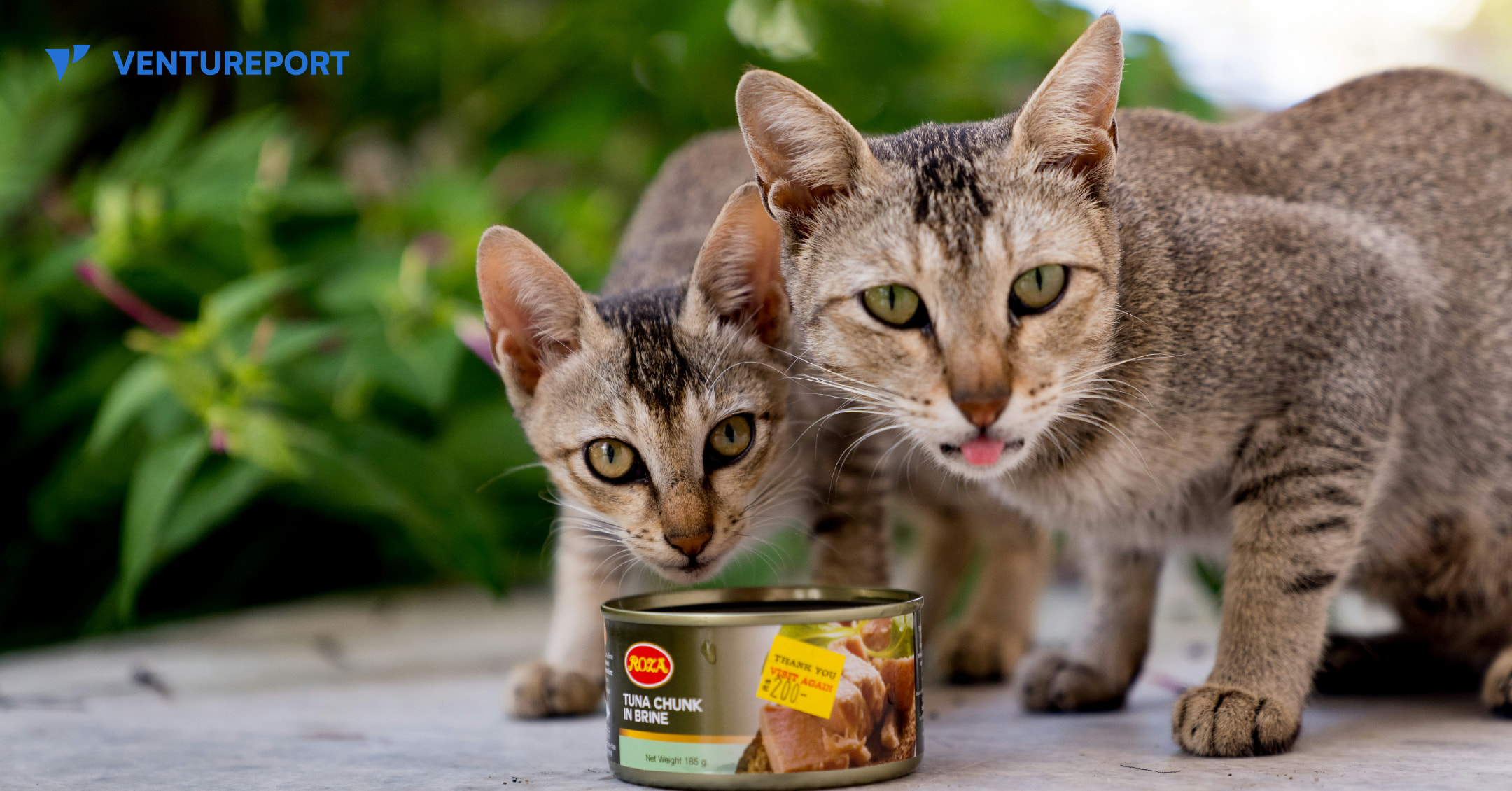
Cats having a jolly good time with a can of tuna. PHOTO: UNSPLASH
At a Silicon Valley pitch event crowded with AI, SaaS and deep-tech startups, the company that stood out was not selling software or algorithms. It was selling pet treats.
Eastseabrother, a premium pet food brand from South Korea, ranked first at a Plug and Play–hosted investor pitch competition in Sunnyvale. The product itself is simple: single-ingredient pet treats made from wild-caught seafood sourced from Korea’s East Sea. The company follows a principle it calls “Only What the Sea Allows”, working directly with regional fishermen while avoiding overfishing. With no additives and minimal processing, what sets Eastseabrother apart is not novelty, but control—over sourcing, supply chains and consistency.
That clarity helped the company walk away with both Best Product and Best Potential. “Investors asked detailed questions about repeat purchase rates and customer feedback, not just our technology or supply chain”, said Eunyul Kim, CEO of Eastseabrother. “That told us the market is shifting—real consumer trust now carries as much weight as a compelling tech narrative”.
What truly caught investors’ attention was not an ambitious vision of the future, but concrete evidence of traction today. Eastseabrother has already secured shelf space in specialty pet stores across California, New York and North Carolina, including an exclusive partnership with EarthWise Pet, a national specialty retail chain. At a consumer showcase at San Francisco’s Ferry Building, the brand recorded the highest on-site sales among all participating companies.
At its core, the pitch was built on simplicity: one ingredient, clear sourcing and a defined customer need. In a market saturated with complex products and abstract claims, that focus and transparency stood out.
The judges’ decision also reflects a broader shift in venture capital thinking. Not every successful startup is built on complex software or high-tech innovation. In categories like pet care—where trust, quality and transparency shape buying behavior—execution and credibility can matter more than technical sophistication.
Today, Eastseabrother has extended its reach beyond the U.S., expanding into Singapore and Hong Kong, with additional plans to grow further in North America as demand for premium pet food rises. And the broader takeaway from this pitch is not that consumer brands are overtaking tech startups. It is that investors are increasingly focused on fundamentals: who is buying, why they are returning and whether the business can sustain itself beyond the pitch deck.