
The focus is no longer just AI-generated worlds, but how those worlds become structured digital products
Updated
February 20, 2026 6:50 PM

The inside of a pair of HTC VR goggles. PHOTO: UNSPLASH
As AI tools improve, creating 3D content is becoming faster and easier. However, building that content into interactive experiences still requires time, structure and technical work. That difference between generation and execution is where HTC VIVERSE and World Labs are focusing their new collaboration.
HTC VIVERSE is a 3D content platform developed by HTC. It provides creators with tools to build, refine and publish interactive virtual environments. Meanwhile, World Labs is an AI startup founded by researcher Fei-Fei Li and a team of machine learning specialists. The company recently introduced Marble, a tool that generates full 3D environments from simple text, image or video prompts.
While Marble can quickly create a digital world, that world on its own is not yet a finished experience. It still needs structure, navigation and interaction. This is where VIVERSE fits in. By combining Marble’s world generation with VIVERSE’s building tools, creators can move from an AI-generated scene to a usable, interactive product.
In practice, the workflow works in two steps. First, Marble produces the base 3D environment. Then, creators bring that environment into VIVERSE, where they add game mechanics, scenes and interactive elements. In this model, AI handles the early visual creation, while the human creator defines how users explore and interact with the world.
To demonstrate this process, the companies developed three example projects. Whiskerhill turns a Marble-generated world into a simple quest-based experience. Whiskerport connects multiple AI-generated scenes into a multi-level environment that users navigate through portals. Clockwork Conspiracy, built by VIVERSE, uses Marble’s generation system to create a more structured, multi-scene game. These projects are not just demos. They serve as proof that AI-generated worlds can evolve beyond static visuals and become interactive environments.
This matters because generative AI is often judged by how quickly it produces content. However, speed alone does not create usable products. Digital experiences still require sequencing, design decisions and user interaction. As a result, the real challenge is not generation, but integration — connecting AI output to tools that make it functional.
Seen in this context, the collaboration is less about a single product and more about workflow. VIVERSE provides a system that allows AI-generated environments to be edited and structured. World Labs provides the engine that creates those environments in the first place. Together, they are testing whether AI can fit directly into a full production pipeline rather than remain a standalone tool.
Ultimately, the collaboration reflects a broader change in creative technology. AI is no longer only producing isolated assets. It is beginning to plug into the larger process of building complete experiences. The key question is no longer how quickly a world can be generated, but how easily that world can be turned into something people can actually use and explore.
Keep Reading
From pre-orders to market entry, Rokid’s Taiwan campaign reflects how AI hardware is being introduced to consumers today.
Updated
January 8, 2026 6:30 PM
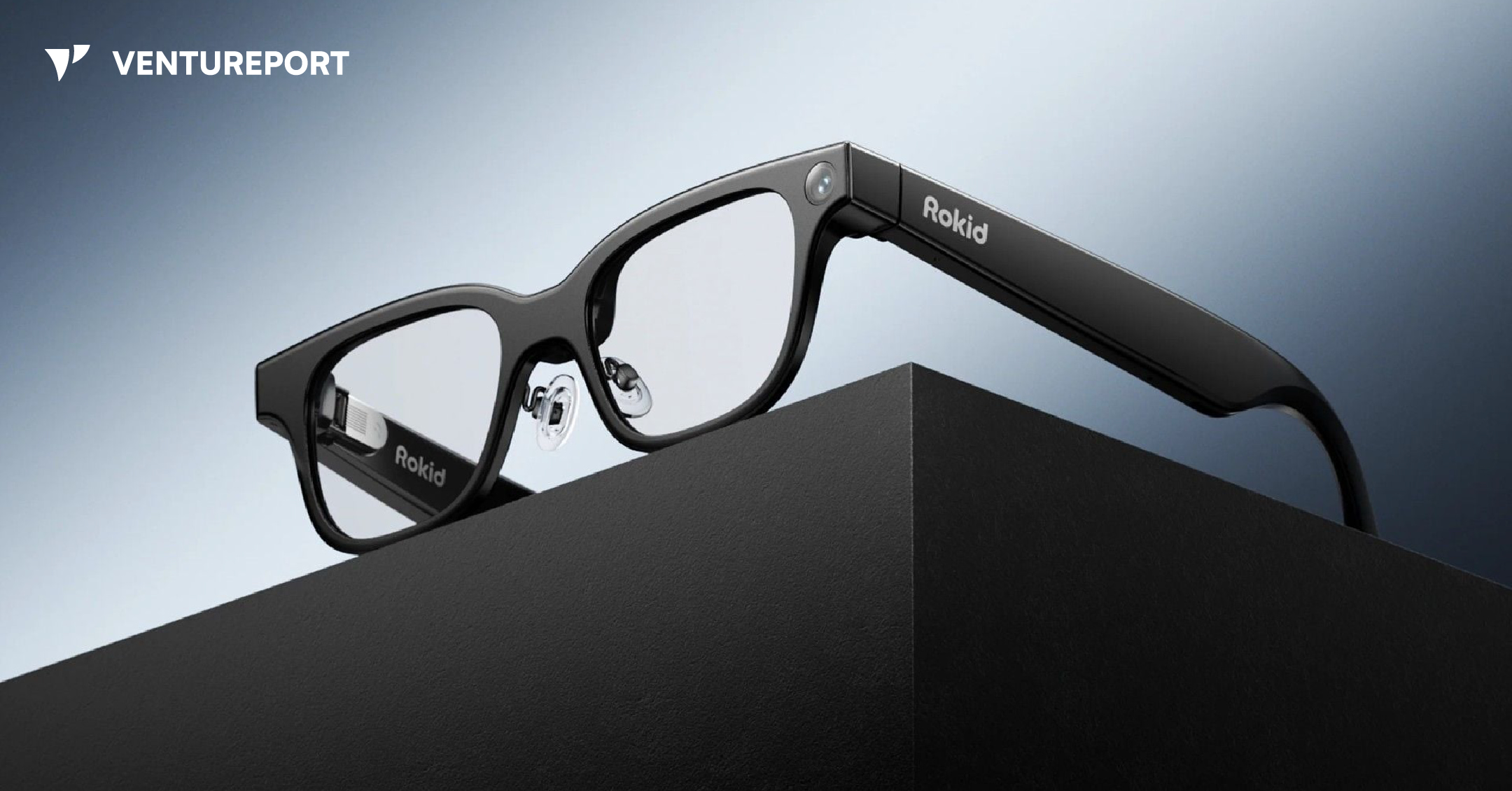
Rokid Glasses, a pair of AR glasses from Rokid. PHOTO: ROKID
Rokid has reached a significant crowdfunding milestone in Taiwan. Its Rokid Glasses campaign surpassed NT$62 million in pre-order funding on zeczec, Taiwan’s creative-oriented crowdfunding platform. The campaign ranked No. 1 across all categories on the platform in 2025 and entered the Top 10 funded campaigns in zeczec’s history, setting new records for AI and XR-related projects.
The campaign launched on October 28 and became one of the platform’s most prominent technology initiatives of the year. According to the company, the outcome followed growing visibility for Rokid Glasses after product showcases in New York, Berlin, Singapore and Paris, positioning the Taiwan campaign within a broader international rollout.
The crowdfunding achievement coincided with Rokid’s official market entry in Taiwan. On December 10, the company debuted Rokid Glasses locally, introducing the product to media, partners and early users in the region. The Taiwan launch mirrored earlier international events and connected the online crowdfunding campaign with a physical market presence.
Rokid Glasses combine augmented reality displays with built-in AI functions, including real-time multilingual translation, live transcription, navigation, object recognition and voice assistance. These capabilities were central to how the product was presented during both the crowdfunding campaign and the Taiwan launch, without framing the project as a traditional consumer electronics release.
The Taiwan campaign builds on Rokid’s prior crowdfunding history. The company previously raised more than US$4 million on Kickstarter, where Rokid Glasses became the highest-funded XR wearable project on the platform. The zeczec campaign extends that track record into one of Asia’s most established consumer electronics markets.
“Taiwan has one of the world's most mature and discerning consumer electronics markets”, said Said Justo Chang, Head of Global Channels at Rokid. “Reaching the top of Taiwan's crowdfunding platform is a great commercial achievement. We are excited to finally introduce Rokid Glasses to Taiwan”.
More broadly, the campaign highlights how crowdfunding platforms continue to function as launch and distribution channels for emerging AI and XR hardware. In Rokid’s case, product rollout, market entry and public participation converged within a single campaign, marking a notable moment for AI-enabled wearables in Taiwan’s technology landscape.