
A closer look at how startups are turning local AI into global opportunity
Updated
March 24, 2026 6:25 PM
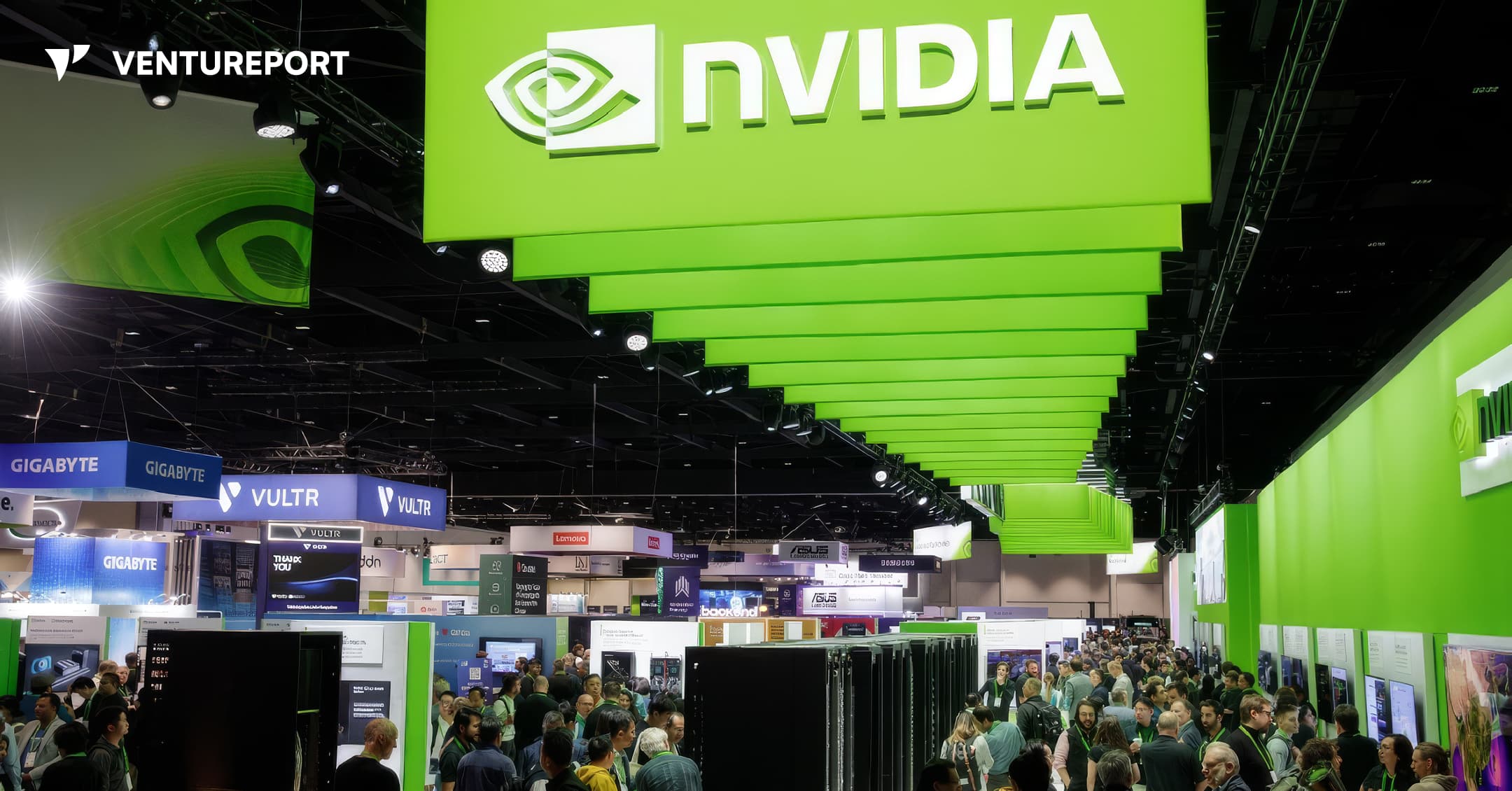
NVIDIA GTC 2026. PHOTO: NVIDIA
At NVIDIA GTC 2026 in Palo Alto, a group of 16 Taiwanese startups used the global AI stage to do more than showcase products—they tested how far their technologies could travel beyond domestic markets. The delegation, led by Startup Island TAIWAN Silicon Valley Hub with support from Taiwan’s National Development Council, reflected a broader shift in the country’s role within the AI ecosystem.
The startups represented a mix of emerging areas including digital twins, robotics, AI agents and healthcare, aligning closely with enterprise AI adoption trends. Some gained formal visibility within NVIDIA’s ecosystem, with companies such as MetAI and Spingence featured in the Inception Program, while six others presented their work in the conference’s poster gallery. These formats allowed them to engage directly with developers, enterprise users and potential partners rather than simply exhibiting technology.
A defining feature of Taiwan’s presence this year was how closely startups operated alongside established hardware companies such as ASUS, AAEON and Compal. This setup reflected a vertically integrated model where infrastructure and applications are developed together, offering a clearer path from product development to deployment. It also underscored Taiwan’s gradual shift from being primarily a hardware supplier to participating more actively across the full AI stack.
Activity around the conference extended well beyond the exhibition floor. A Taiwan Demo Day held during the week drew more than 1,000 registrations and nearly 600 in-person attendees, bringing startups into contact with close to 200 international investors. The event focused on structured introductions and deal flow, positioning startups in front of venture firms and corporate innovation teams looking for AI applications.
Alongside these formal sessions, Taiwan Startup Night provided a more informal but equally strategic setting. With over 100 curated participants, including founders, investors and corporate representatives, the gathering created space for early-stage conversations that could evolve into partnerships or market entry opportunities. These interactions, while less visible than on-stage presentations, are often where initial collaboration takes shape.
Taken together, the events around GTC point to a more coordinated approach to international expansion. Through platforms like Startup Island TAIWAN, the emphasis is not just on visibility but on building continuity—connecting startups with investors, partners and customers across multiple touchpoints in a single week. As AI development increasingly spans chips, systems and applications, Taiwan’s presence at GTC suggests a more integrated role, where the focus is as much on enabling global deployment as it is on developing the technology itself.
Keep Reading
How the high-profile trial of the music mogul offers lessons for entrepreneurs on accountability, ethics, and leadership.
Updated
January 8, 2026 6:35 PM
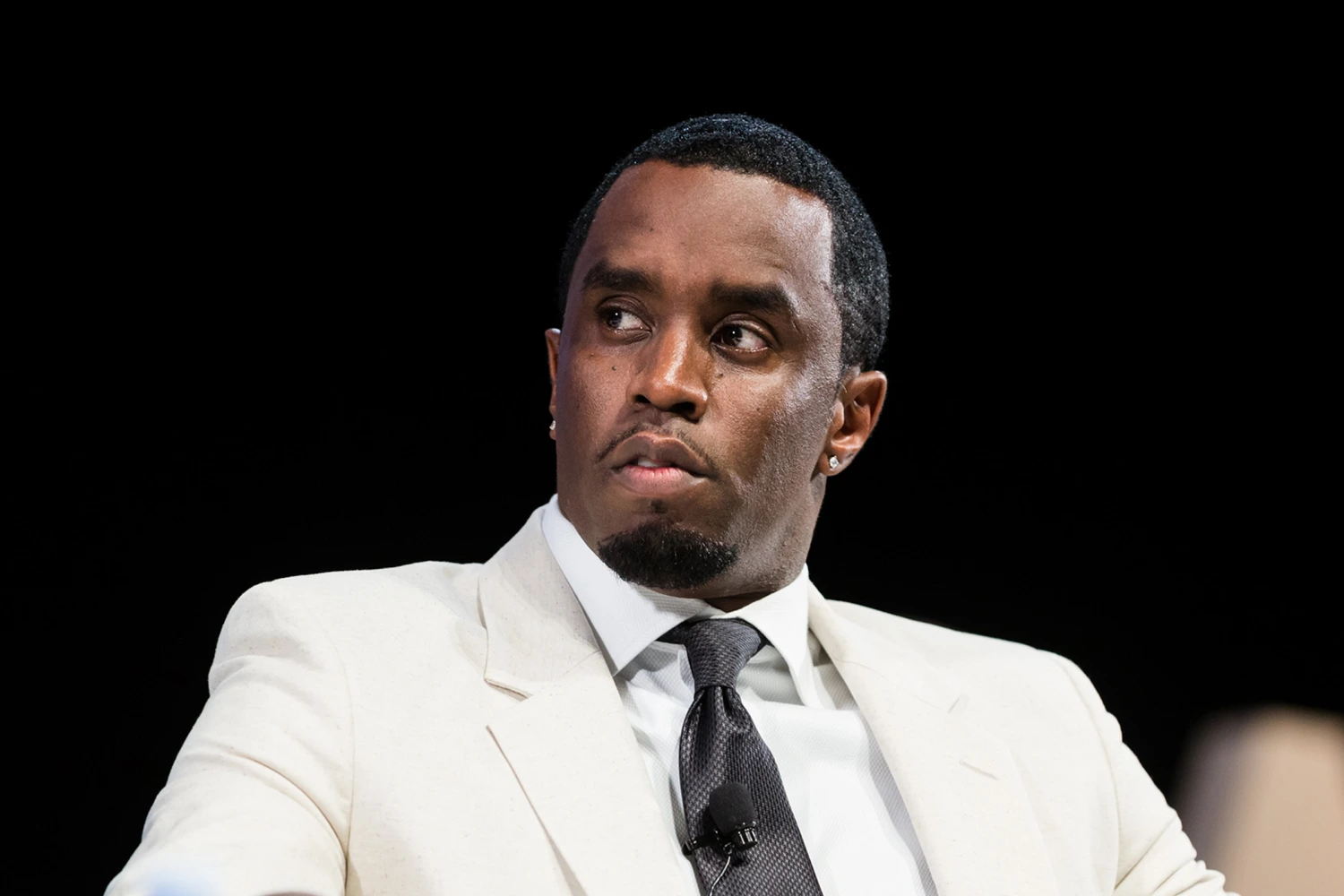
Sean "DIddy" Combs. PHOTO: NPC NEWS
Sean “Diddy” Combs—hip-hop icon, entrepreneur, and cultural force—has built a career on his larger-than-life persona, business acumen, and ability to dominate industries ranging from music to fashion to spirits. But his recent trial, which involves explosive allegations of racketeering, sex trafficking, and transportation to engage in prostitution, has cast a shadow over his legacy.
The federal trial, which began after his arrest in September 2024, has revealed shocking claims, including coercion, manipulation, and the abuse of power in both personal and professional settings. While Combs has pleaded not guilty to all charges, the case offers valuable lessons for small business owners about leadership, ethics, and the responsibility that comes with power.
Here’s what entrepreneurs can learn from the allegations and fallout surrounding Diddy’s trial.
Diddy has been accused of creating a toxic environment that involved coercion, manipulation, and abuse of power—both in his personal relationships and his professional dealings. The trial has highlighted allegations of “freak-offs,” elaborate sexual encounters with escorts that were reportedly coerced, as well as threats of financial and reputational harm to control others.
In business, leaders hold significant power over employees, partners, and collaborators. whether through coercion, intimidation, or favoritism—can lead to toxic environments and long-term damage to the organization.
The case has shown how Diddy’s alleged actions went unchecked for years, with accusations of violence, threats, and even financial control over his accusers. Testimonies from former employees and partners reveal a pattern of behavior that created a culture of fear and silence around him.
For small business owners, this is a reminder that accountability begins with leadership. If you fail to hold yourself and others accountable, you risk fostering an environment where misconduct is ignored or accepted.
A recurring theme in the trial is how Combs’ personal actions—both alleged and confirmed—have affected his professional reputation. From footage of him physically assaulting Cassie in a hotel hallway to allegations of coercion during drug-fueled parties, the courtroom revelations have tarnished his public image and cast a shadow over his brand.
For small business owners, this reinforces an important truth: your personal behavior can have far-reaching consequences for your business. Customers, employees, and partners often associate the values and reputation of a business with its leader.
The case has also highlighted the dangers of power imbalances. Testimonies from accusers like Cassie allege that Diddy used financial control—such as threatening to withhold rent payments—to coerce others into complying with his demands.
In a small business setting, power dynamics are also present, particularly between employers and employees or business owners and partners. Misusing that power, even unintentionally, can lead to resentment, distrust, and legal challenges.
The allegations against Diddy span more than a decade, with claims of abuse dating back decades. Had there been systems in place to address grievances or hold him accountable earlier, the damage to his brand—and to the individuals involved—might have been mitigated.
For small businesses, neglecting proactive measures to address workplace issues can lead to larger crises later. Waiting until problems escalate is not only costly but can also permanently harm your business’s reputation.
The Sean “Diddy” Combs trial is a cautionary tale about the consequences of unchecked power, unethical behavior, and a lack of accountability. For small business owners, it underscores the importance of leadership that prioritizes transparency, fairness, and integrity.
Running a business isn’t just about profits—it’s about creating a legacy founded on trust and respect. By learning from the mistakes and controversies of others, entrepreneurs can build companies that inspire loyalty, foster positive relationships, and stand the test of time.