
A step forward that could influence how smart contracts are designed and verified.
Updated
January 8, 2026 6:32 PM
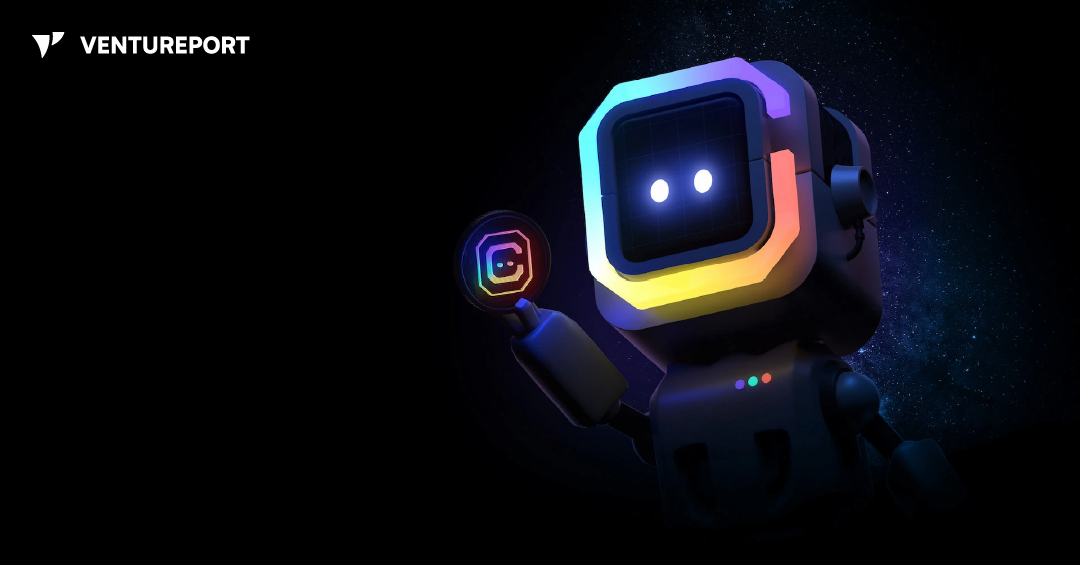
ChainGPT's robot mascot. IMAGE: CHAINGPT
A new collaboration between ChainGPT, an AI company specialising in blockchain development tools and Secret Network, a privacy-focused blockchain platform, is redefining how developers can safely build smart contracts with artificial intelligence. Together, they’ve achieved a major industry first: an AI model trained exclusively to write and audit Solidity code is now running inside a Trusted Execution Environment (TEE). For the blockchain ecosystem, this marks a turning point in how AI, privacy and on-chain development can work together.
For years, smart-contract developers have faced a trade-off. AI assistants could speed up coding and security reviews, but only if developers uploaded their most sensitive source code to external servers. That meant exposing intellectual property, confidential logic and even potential vulnerabilities. In an industry where trust is everything, this risk held many teams back from using AI at all.
ChainGPT’s Solidity-LLM aims to solve that problem. It is a specialised large language model trained on over 650,000 curated Solidity contracts, giving it a deep understanding of how real smart contracts are structured, optimised and secured. And now, by running inside SecretVM, the Confidential Virtual Machine that powers Secret Network’s encrypted compute layer, the model can assist developers without ever revealing their code to outside parties.
“Confidential computing is no longer an abstract concept,” said Luke Bowman, COO of the Secret Network Foundation. “We've shown that you can run a complex AI model, purpose-built for Solidity, inside a fully encrypted environment and that every inference can be verified on-chain. This is a real milestone for both privacy and decentralised infrastructure”.
SecretVM makes this workflow possible by using hardware-backed encryption to protect all data while computations take place. Developers don’t interact with the underlying hardware or cryptography. Instead, they simply work inside a private, sealed environment where their code stays invisible to everyone except them—even node operators. For the first time, developers can generate, test and analyse smart contracts with AI while keeping every detail confidential.
This shift opens new possibilities for the broader blockchain community. Developers gain a private coding partner that can streamline contract logic or catch vulnerabilities without risking leaks. Auditors can rely on AI-assisted analysis while keeping sensitive audit material protected. Enterprises working in finance, healthcare or governance finally have a path to adopt AI-driven blockchain automation without raising compliance concerns. Even decentralised organisations can run smart-contract agents that make decisions privately, without exposing internal logic on a public chain.
The system also supports secure model training and fine-tuning on encrypted datasets. This enables collaborative AI development without forcing anyone to share raw data—a meaningful step toward decentralised and privacy-preserving AI at scale.
By combining specialised AI with confidential computing, ChainGPT and Secret Network are shifting the trust model of on-chain development. Instead of relying on centralised cloud AI services, developers now have a verifiable, encrypted environment where they keep full control of their code, their data and their workflow. It’s a practical solution to one of blockchain’s biggest challenges: using powerful AI tools without sacrificing privacy.
As the technology evolves, the roadmap includes confidential model fine-tuning, multi-agent AI systems and cross-chain use cases. But the core advancement is already clear: developers now have a way to use AI for smart contract development that is fast, private and verifiable—without compromising the security standards that decentralised systems rely on.
Keep Reading
New funding and ad support aim to ease capital gaps for small wedding businesses
Updated
February 24, 2026 2:55 PM
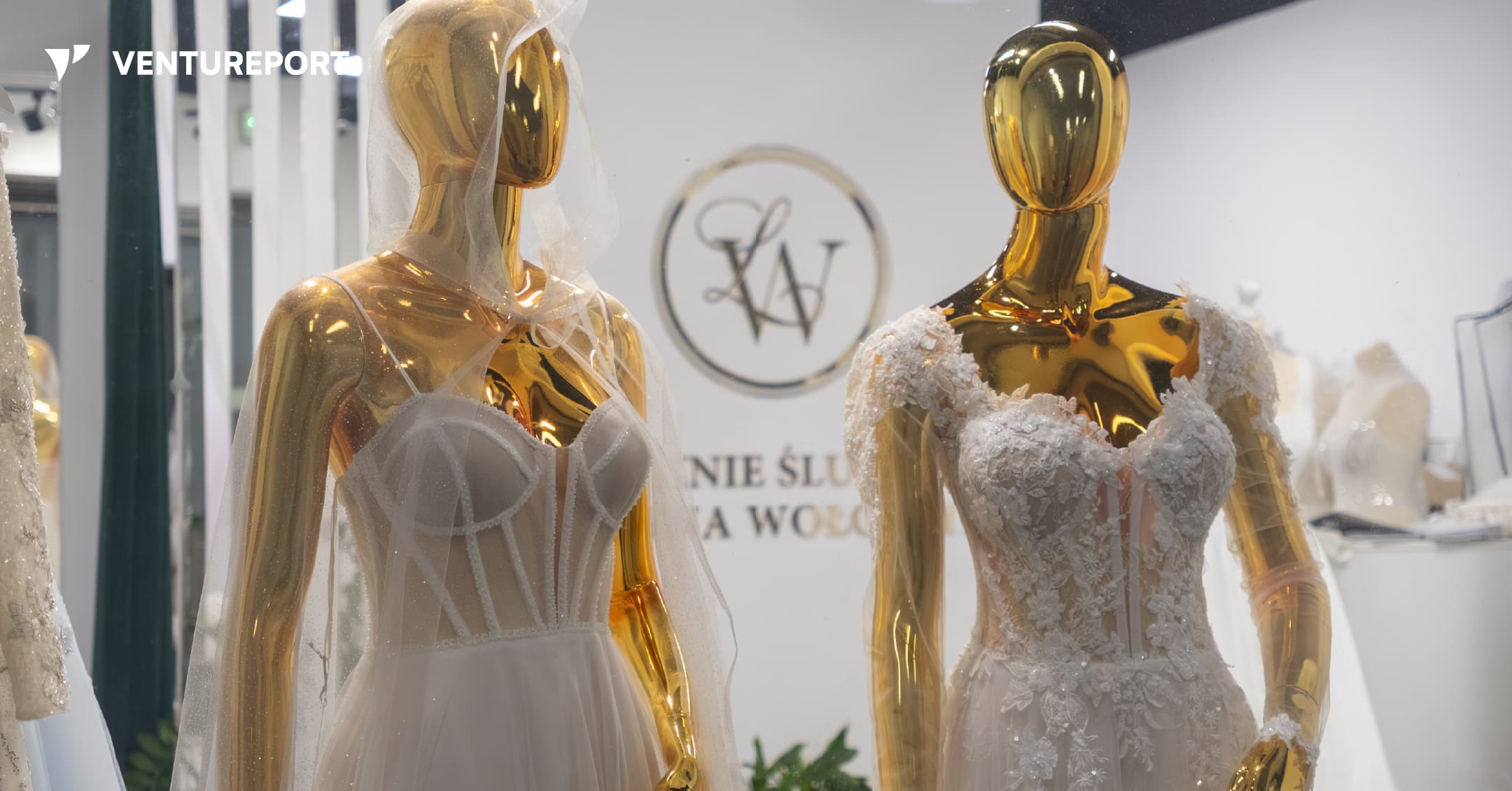
Mannequins display white wedding dresses in a bridal shop window. PHOTO: ADOBE STOCK
The Knot Worldwide, a global wedding technology platform and vendor marketplace, has launched a new grant initiative aimed at small businesses in the wedding industry.
The company, which operates brands such as The Knot and WeddingWire, connects couples with wedding professionals and provides tools to help vendors grow. It says the new WeddingPro Grant Program is designed to address a persistent challenge in the sector: access to capital.
Under the program, up to US$500,000 will be distributed to U.S.-based wedding professionals who run small businesses. The support will come in the form of financial grants, advertising credits on WeddingPro and mentorship. Selected businesses will also receive access to education resources and community support through the company’s network.
The move comes at a time when many wedding businesses remain small and resource-constrained. According to the company’s State of the Vendor Report, more than half of wedding businesses employ fewer than ten people. Three in four professionals surveyed said adaptability is critical to long-term success, while flexible funding remains a barrier. The grant program is positioned as a response to that funding gap.
“Our mission at The Knot Worldwide is to help the nearly 900,000 small businesses on our global platforms get discovered through our centralized vendor marketplace as well as give them the tools and resources to grow their business,” said Raina Moskowitz, Chief Executive Officer, The Knot Worldwide. “We consistently hear from our wedding professionals that access to capital is a barrier to getting started in the industry. With our new WeddingPro Grant Program, we will provide access to both capital and critical support services such as mentorship and education that will enable small business owners to further grow and scale.”
The application window opens on February 23 and closes on March 27. Winners are expected to be notified by May 2026, subject to eligibility verification and compliance with the official rules.
The program is open to U.S. wedding professionals who operate small businesses, have been in business for at least six months, can demonstrate an active revenue stream and earn at least 50% of their revenue from weddings. Applicants must submit a short form and a video outlining their business and how they would use the grant funds over the next 12 to 24 months. They can choose whether they prefer a monetary grant or free advertising support on WeddingPro.
To execute the program, The Knot Worldwide has partnered with the Global Entrepreneurship Network, which works with entrepreneurs worldwide. The company says the initiative builds on earlier efforts to support vendors on its platform, which includes about 200,000 wedding professionals in the United States. Its impact will depend on how effectively the support reaches the businesses that need it most. The real measure will be whether it helps them achieve steady, sustainable growth.