
Clinically grounded, game-based and always available — MIRDC’s AI system is redefining how children learn to communicate.
Updated
January 8, 2026 6:32 PM

A child practicing with a speech therapist. PHOTO: FREEPIK
Speech and language delays are common, yet access to therapy remains limited. In Taiwan, only about 2,200 licensed speech-language pathologists serve hundreds of thousands of children who need support—especially those with autism spectrum disorders or significant communication challenges. As a result, many children miss crucial periods of language development simply because help isn’t available soon enough.
MIRDC’s new AI-powered interactive speech therapy system aims to close that gap. Instead of focusing solely on articulation, it targets a wider range of language skills that many children struggle with: oral expression, comprehension, sentence building and conversational ability. This makes it a more complete tool for childhood speech and language development.
The system combines game-based learning, AI-driven guidance and automated language assessment into one platform that can be used both in clinics and at home. This integrated design helps children practice more consistently, providing therapists and parents with clearer insight into their progress.
The interactive game modules are built around clinically validated therapy methods. Imitation exercises, picture cards, storybooks and conversational prompts are turned into structured game levels, each aligned with a specific developmental goal. This step-by-step approach helps children move from simple naming tasks to more complex comprehension and response skills, all within a sequenced curriculum.
A key differentiator is the system’s real-time AI speech interpretation. As the child talks, the AI analyzes the response and generates tailored therapeutic cues—such as imitation, modeling, expansion or extension—based on the conversation. These are the same strategies used by speech-language pathologists, but now children can access them continuously, supporting more effective at-home practice and reducing long gaps between sessions.
After each session, the system automatically conducts a data-driven language assessment using 20 objective indicators across semantics, syntax and pragmatics. This provides clinicians and families with measurable, easy-to-understand reports that show how the child is progressing and which skills need more attention—something many traditional tools do not offer.
By offering a personalized, scalable and clinically grounded solution, MIRDC’s AI therapy system helps address the ongoing shortage of speech-language services. It doesn’t replace therapists; instead, it extends their reach, allows for more consistent practice and helps families support their child’s communication at home.
As an added recognition of its impact, the system recently earned two R&D 100 Awards, including the Silver Award for Corporate Social Responsibility. But at its core, the project remains focused on a simple mission: making high-quality speech therapy accessible to every child who needs a voice.
Keep Reading
From pre-orders to market entry, Rokid’s Taiwan campaign reflects how AI hardware is being introduced to consumers today.
Updated
January 8, 2026 6:30 PM
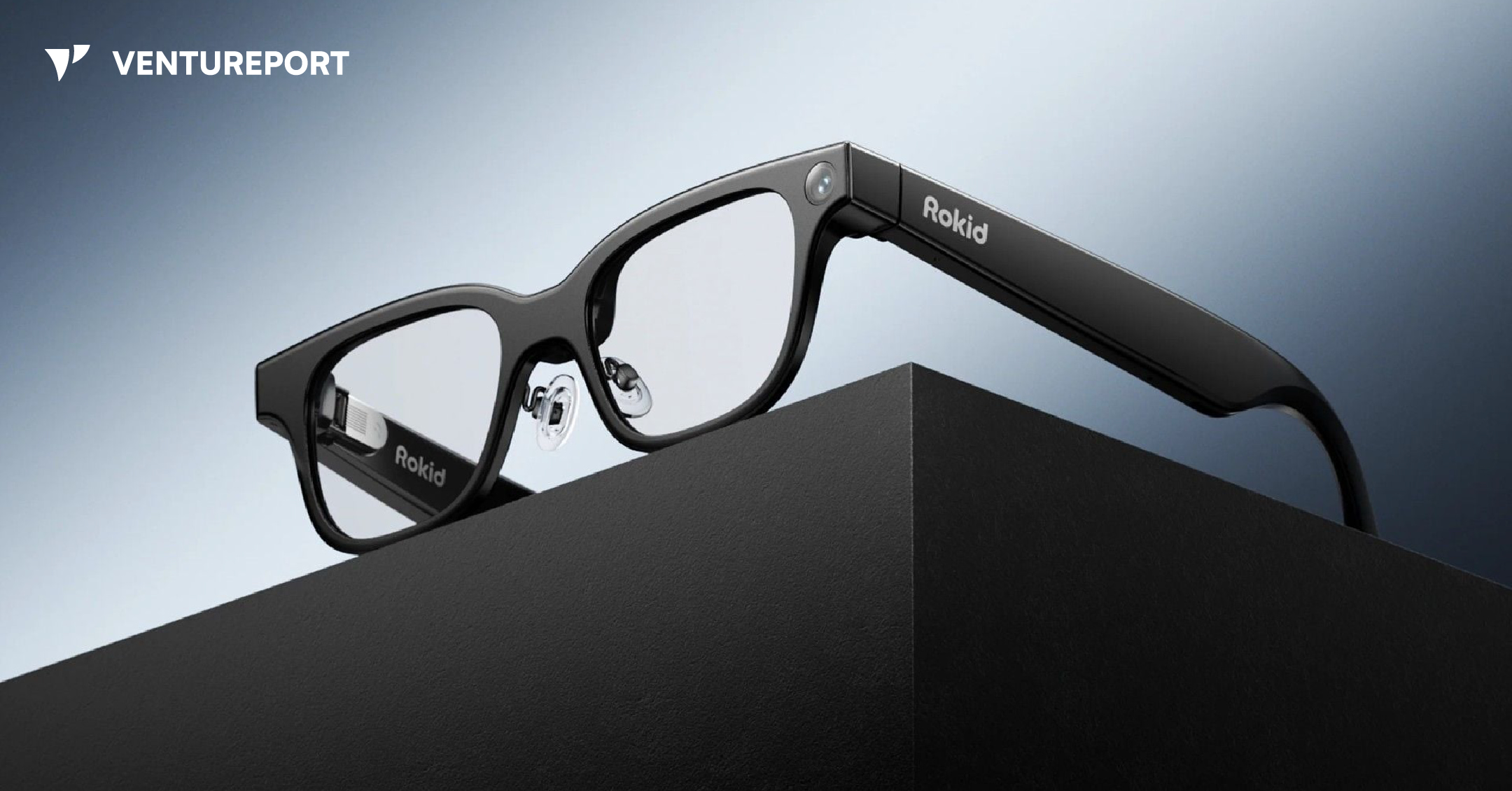
Rokid Glasses, a pair of AR glasses from Rokid. PHOTO: ROKID
Rokid has reached a significant crowdfunding milestone in Taiwan. Its Rokid Glasses campaign surpassed NT$62 million in pre-order funding on zeczec, Taiwan’s creative-oriented crowdfunding platform. The campaign ranked No. 1 across all categories on the platform in 2025 and entered the Top 10 funded campaigns in zeczec’s history, setting new records for AI and XR-related projects.
The campaign launched on October 28 and became one of the platform’s most prominent technology initiatives of the year. According to the company, the outcome followed growing visibility for Rokid Glasses after product showcases in New York, Berlin, Singapore and Paris, positioning the Taiwan campaign within a broader international rollout.
The crowdfunding achievement coincided with Rokid’s official market entry in Taiwan. On December 10, the company debuted Rokid Glasses locally, introducing the product to media, partners and early users in the region. The Taiwan launch mirrored earlier international events and connected the online crowdfunding campaign with a physical market presence.
Rokid Glasses combine augmented reality displays with built-in AI functions, including real-time multilingual translation, live transcription, navigation, object recognition and voice assistance. These capabilities were central to how the product was presented during both the crowdfunding campaign and the Taiwan launch, without framing the project as a traditional consumer electronics release.
The Taiwan campaign builds on Rokid’s prior crowdfunding history. The company previously raised more than US$4 million on Kickstarter, where Rokid Glasses became the highest-funded XR wearable project on the platform. The zeczec campaign extends that track record into one of Asia’s most established consumer electronics markets.
“Taiwan has one of the world's most mature and discerning consumer electronics markets”, said Said Justo Chang, Head of Global Channels at Rokid. “Reaching the top of Taiwan's crowdfunding platform is a great commercial achievement. We are excited to finally introduce Rokid Glasses to Taiwan”.
More broadly, the campaign highlights how crowdfunding platforms continue to function as launch and distribution channels for emerging AI and XR hardware. In Rokid’s case, product rollout, market entry and public participation converged within a single campaign, marking a notable moment for AI-enabled wearables in Taiwan’s technology landscape.