
CES 2026 and the move toward wearable robots you don’t wear all day.
Updated
January 28, 2026 5:53 PM

The π6 exoskeleton from VIGX. PHOTO: VIGX
CES 2026 highlighted how robotics is taking many different forms. VIGX, a wearable robotics company, used the event to introduce the π6, a portable exoskeleton robot designed to be carried and worn only when needed. Unveiled in Las Vegas, the device reflects a broader shift at CES toward robotics that move with people rather than staying fixed in industrial or clinical settings.
Exoskeletons have existed for years, most commonly in controlled environments such as factories, rehabilitation facilities and specialised research settings. In these contexts, they have tended to be large, fixed systems intended for long sessions of supervised use rather than something a person could deploy on their own.
Against that backdrop, the π6 explores a more personal and flexible approach to assistance. Instead of treating an exoskeleton as permanent equipment, it is designed to be something users carry with them and wear only when a task or situation calls for extra support.
The π6 weighs 1.9 kilograms and folds down to a size that fits into a bag. When worn, it sits around the waist and legs, providing mechanical assistance during activities such as walking, climbing or extended movement. Rather than altering how people move, the system adds controlled rotational force at key joints to reduce physical strain over time.
According to the company, the device delivers up to 800 watts of peak power and 16 Nm of rotational force. In practical terms, this means the system is designed to help users sustain effort for longer periods, especially during physically demanding activities_ by easing the body's load rather than pushing it beyond normal limits.
The π6 is designed to support users weighing between 45 kilograms and 120 kilograms and is intended for intermittent use. This reinforces its role as a wearable companion — something taken out when needed and set aside when not — rather than a device meant to be worn continuously.
Another aspect of the system is how it responds to different environments. Using onboard sensors and processing, the exoskeleton can detect changes such as slopes or uneven ground and adjust the level of assistance accordingly. This reduces the need for manual adjustments and helps maintain a consistent walking experience across varied terrain, with software fine-tuning how assistance is applied rather than directing movement itself.
The hardware design follows a similar logic. The power belt contains a detachable battery, allowing users to remove or swap it without handling the entire system. This keeps the wearable components lighter and makes the exoskeleton easier to transport. The battery can also be used as a general power source for small electronic devices, adding a layer of practicality beyond the exoskeleton’s core function.
VIGX frames its work around accessibility rather than industrial automation. “To empower ordinary people,” said founder Bob Yu, explaining why the company chose to focus on exoskeleton robotics. “VIGX is dedicated to expanding the physical limits of humans, enabling deeper outdoor adventures, making running and cycling easier and more enjoyable and allowing people to sustain their outdoor pursuits regardless of age.”
Placed within the wider context of CES, the π6 sits alongside a growing number of portable robots and wearable systems that prioritise convenience, mobility and personal use. By reducing the physical and practical barriers to wearing an exoskeleton, VIGX is testing whether assistive robotics can move beyond niche environments and into everyday life. If that experiment succeeds, wearable robots may become less about dramatic augmentation and more about quiet support — present when needed and easy to put away when not.
Keep Reading
Amid AI and tech startups, Eastseabrother proved the power of demand and trust.
Updated
January 23, 2026 10:41 AM
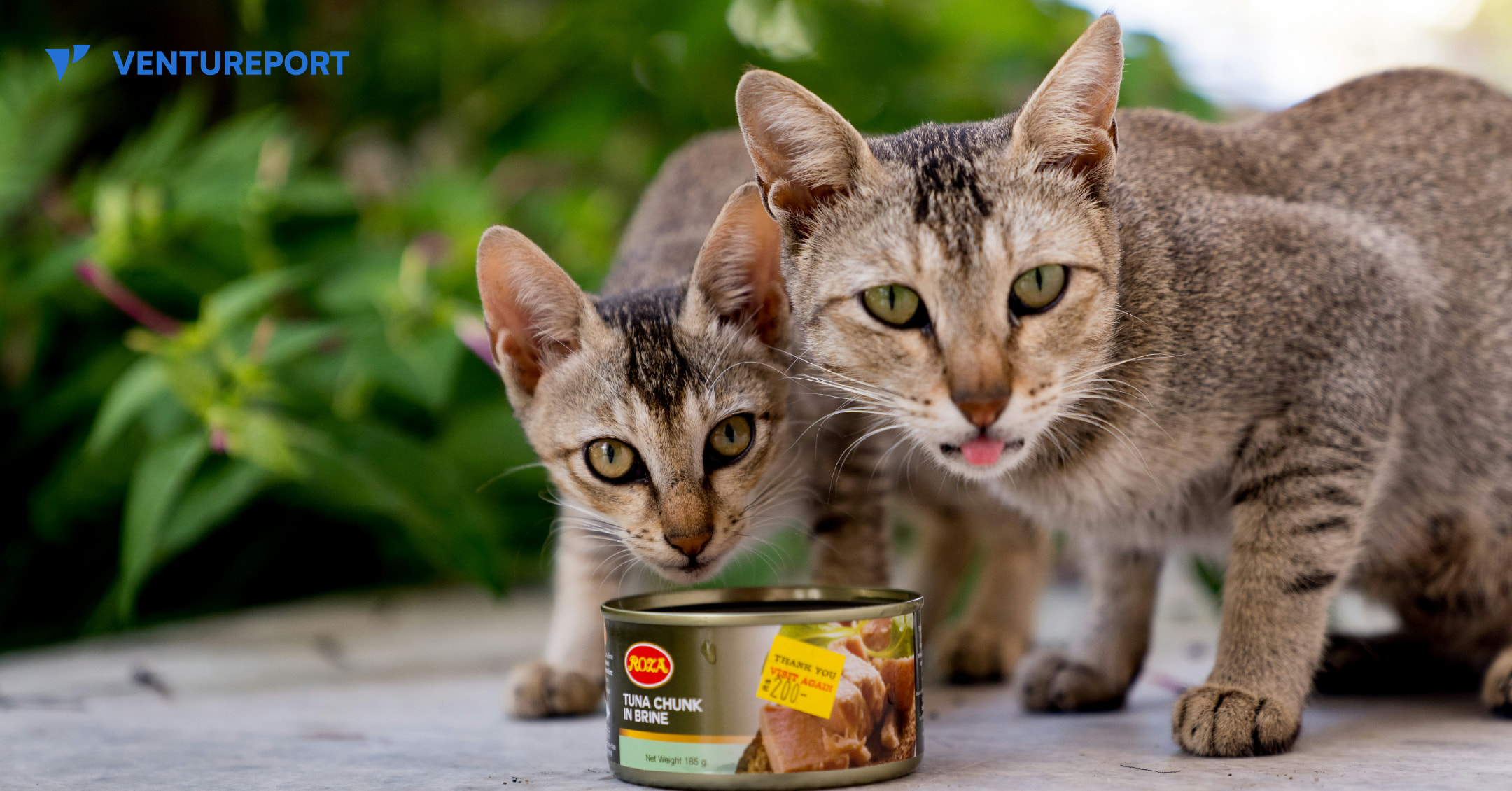
Cats having a jolly good time with a can of tuna. PHOTO: UNSPLASH
At a Silicon Valley pitch event crowded with AI, SaaS and deep-tech startups, the company that stood out was not selling software or algorithms. It was selling pet treats.
Eastseabrother, a premium pet food brand from South Korea, ranked first at a Plug and Play–hosted investor pitch competition in Sunnyvale. The product itself is simple: single-ingredient pet treats made from wild-caught seafood sourced from Korea’s East Sea. The company follows a principle it calls “Only What the Sea Allows”, working directly with regional fishermen while avoiding overfishing. With no additives and minimal processing, what sets Eastseabrother apart is not novelty, but control—over sourcing, supply chains and consistency.
That clarity helped the company walk away with both Best Product and Best Potential. “Investors asked detailed questions about repeat purchase rates and customer feedback, not just our technology or supply chain”, said Eunyul Kim, CEO of Eastseabrother. “That told us the market is shifting—real consumer trust now carries as much weight as a compelling tech narrative”.
What truly caught investors’ attention was not an ambitious vision of the future, but concrete evidence of traction today. Eastseabrother has already secured shelf space in specialty pet stores across California, New York and North Carolina, including an exclusive partnership with EarthWise Pet, a national specialty retail chain. At a consumer showcase at San Francisco’s Ferry Building, the brand recorded the highest on-site sales among all participating companies.
At its core, the pitch was built on simplicity: one ingredient, clear sourcing and a defined customer need. In a market saturated with complex products and abstract claims, that focus and transparency stood out.
The judges’ decision also reflects a broader shift in venture capital thinking. Not every successful startup is built on complex software or high-tech innovation. In categories like pet care—where trust, quality and transparency shape buying behavior—execution and credibility can matter more than technical sophistication.
Today, Eastseabrother has extended its reach beyond the U.S., expanding into Singapore and Hong Kong, with additional plans to grow further in North America as demand for premium pet food rises. And the broader takeaway from this pitch is not that consumer brands are overtaking tech startups. It is that investors are increasingly focused on fundamentals: who is buying, why they are returning and whether the business can sustain itself beyond the pitch deck.