
The IT services firm strengthens its collaboration with Google Cloud to help enterprises move AI from pilot projects to production systems
Updated
February 18, 2026 8:11 PM
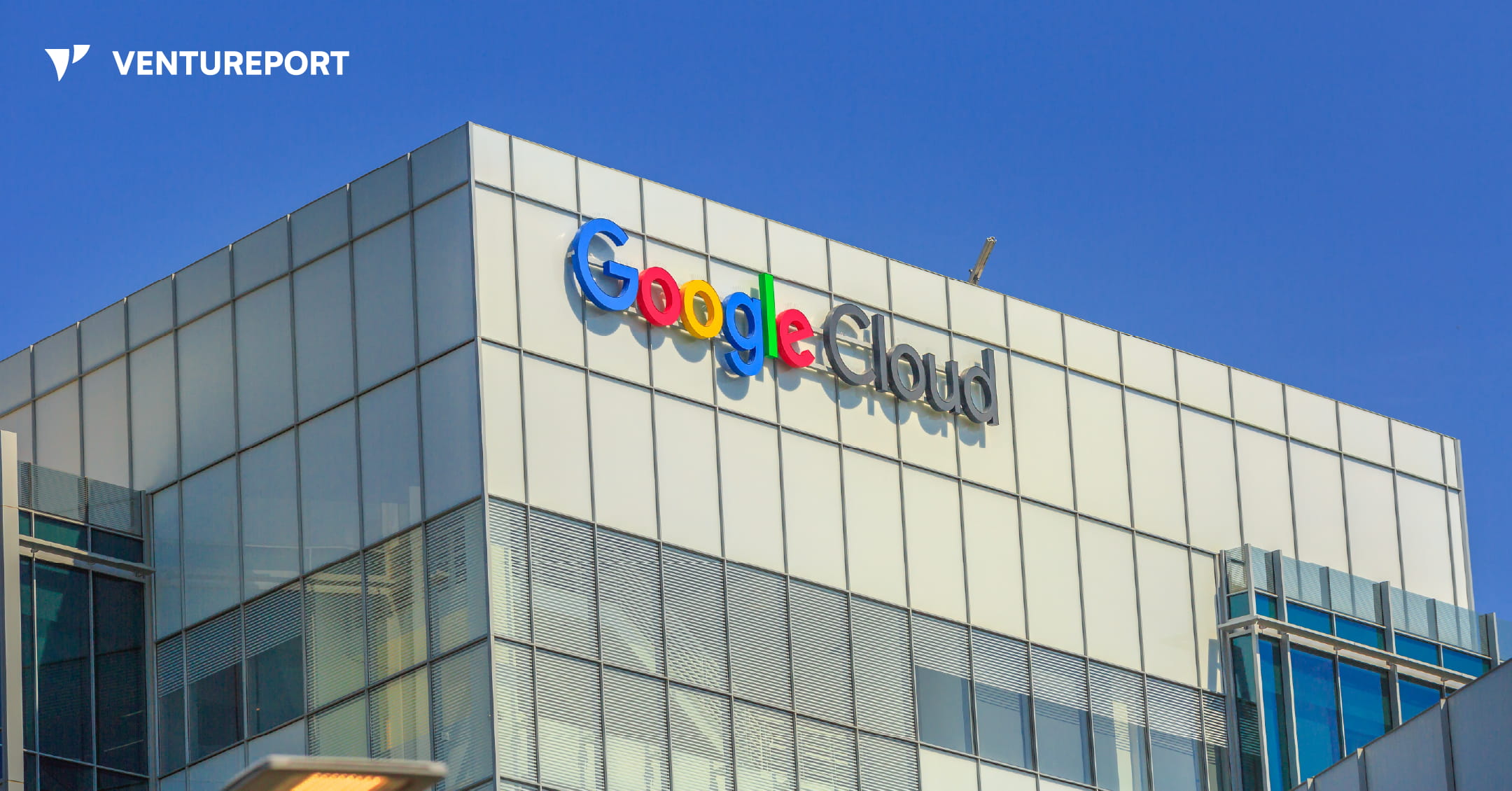
Google Cloud building. PHOTO: ADOBE STOCK
Enterprise interest in AI has moved quickly from experimentation to execution. Many organizations have tested generative tools, but turning those tools into systems that can run inside daily operations remains a separate challenge. Cognizant, an IT services firm, is expanding its partnership with Google Cloud to help enterprises move from AI pilots to fully deployed, production-ready systems.
Cognizant and Google Cloud are deepening their collaboration around Google’s Gemini Enterprise and Google Workspace. Cognizant is deploying these tools across its own workforce first, using them to support internal productivity and collaboration. The idea is simple: test and refine the systems internally, then package similar capabilities for clients.
The focus of the partnership is what Cognizant calls “agentic AI.” In practical terms, this refers to AI systems that can plan, act and complete tasks with limited human input. Instead of generating isolated outputs, these systems are designed to fit into business workflows and carry out structured tasks.
To make that workable at scale, Cognizant is building delivery infrastructure around the technology. The company is setting up a dedicated Gemini Enterprise Center of Excellence and formalizing an Agent Development Lifecycle. This framework covers the full process, from early design and blueprinting to validation and production rollout. The aim is to give enterprises a clearer path from the AI concept to a deployed system.
Cognizant also plans to introduce a bundled productivity offering that combines Gemini Enterprise with Google Workspace. The targeted use cases are operational rather than experimental. These include collaborative content creation, supplier communications and other workflow-heavy processes that can be standardized and automated.
Beyond productivity tools, Cognizant is integrating Gemini into its broader service platforms. Through Cognizant Ignition, enabled by Gemini, the company supports early-stage discovery and prototyping while helping clients strengthen their data foundations. Its Agent Foundry platform provides pre-configured and no-code capabilities for specific use cases such as AI-powered contact centers and intelligent order management. These tools are designed to reduce the amount of custom development required for each deployment.
Scaling is another element of the strategy. Cognizant, a multi-year Google Cloud Data Partner of the Year award winner, says it will rely on a global network of Gemini-trained specialists to deliver these systems. The company is also expanding work tied to Google Distributed Cloud and showcasing capabilities through its Google Experience Zones and Gen AI Studios.
For Google Cloud, the partnership reinforces its enterprise AI ecosystem. Cloud providers can offer models and infrastructure, but enterprise adoption often depends on service partners that can integrate tools into existing systems and manage ongoing operations. By aligning closely with Cognizant, Google strengthens its ability to move Gemini from platform capability to production deployment.
The announcement does not introduce a new AI model. Instead, it reflects a shift in emphasis. The core question is no longer whether AI tools exist, but how they are implemented, governed and scaled across large organizations. Cognizant’s expanded role suggests that execution frameworks, internal deployment and structured delivery models are becoming central to how enterprises approach AI.
In that sense, the partnership is less about new technology and more about operational maturity. It highlights how AI is moving from isolated pilots to managed systems embedded in business processes — a transition that will likely define the next phase of enterprise adoption.
Keep Reading
As global financial landscapes shift, Noah outlines a new AI-first approach to helping families protect and grow their wealth.
Updated
January 8, 2026 6:31 PM
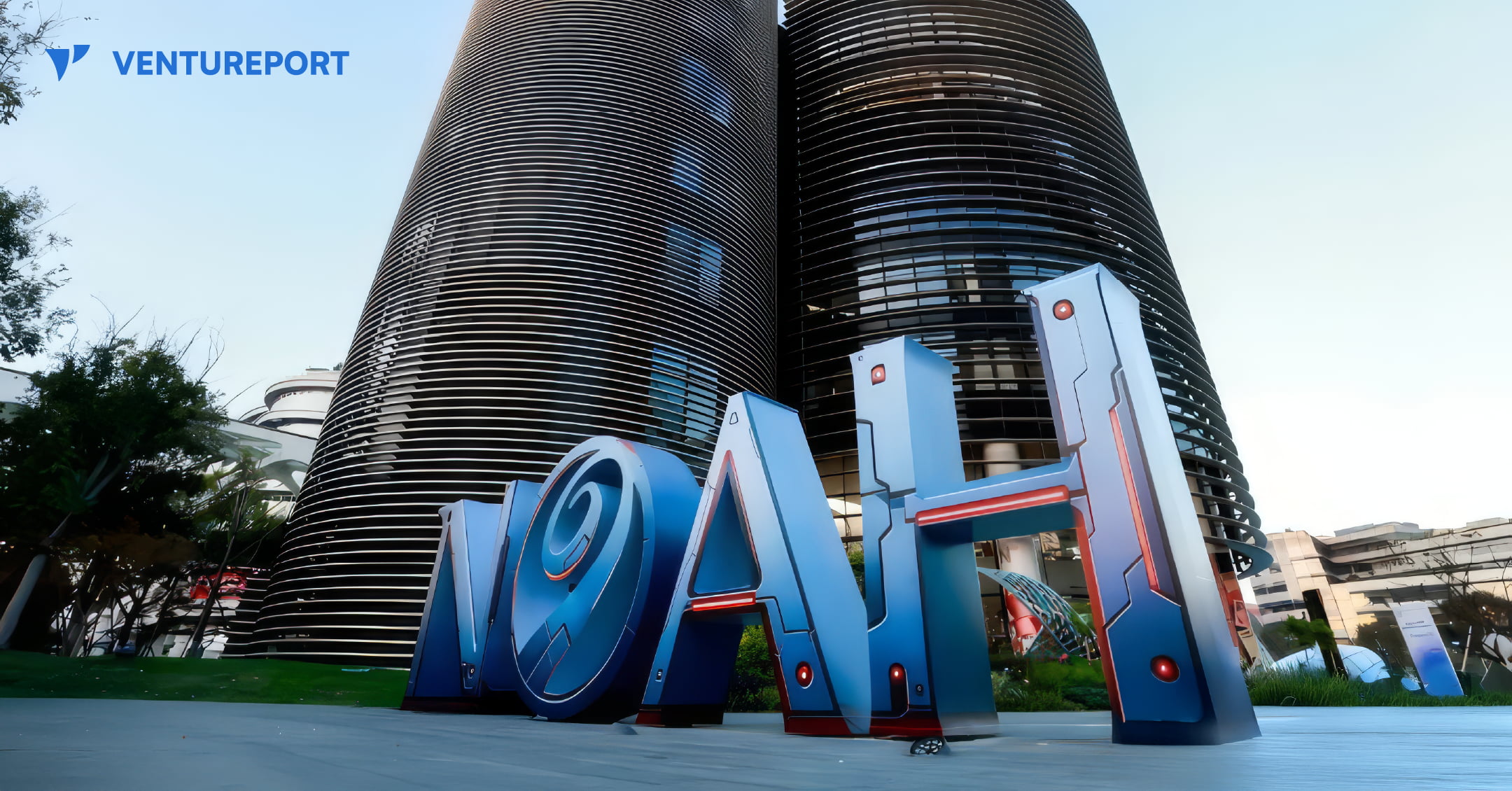
Noah’s Black Diamond Summit. PHOTO: ARK WEALTH
Noah Holdings, one of Asia’s leading wealth management firms serving global Chinese high-net-worth families, hosted its annual Black Diamond Summit in Macau from December 7–11. The city has become a significant gathering place for Noah’s community, where clients, partners, and experts converge each year to explore how global trends are transforming wealth and family life. This year’s theme, “AI Together, Co-Generating the Future”, set the tone for a conversation about how modern wealth management must adapt in an age defined by artificial intelligence.
More than 3,000 attendees joined discussions that connected technology, global mobility, and long-term family planning. The Summit built on earlier sessions held in Shanghai, creating a continuous dialogue around one central question: how can families prepare for a world that is becoming more digital, more complex and more interconnected?
A major moment came when Noah introduced “Noya”, its new AI Relationship Manager. Noya is now part of the upgraded iARK Hong Kong and Singapore apps. It is built to support licensed human advisors, not replace them. The goal is simple: combine human judgment with AI intelligence to help clients understand their wealth more clearly and manage it across borders. Noya offers real-time insights, deeper personalisation, cleaner access to global financial information, smoother coordination between regions, and end-to-end execution through Noah’s global booking centres.
The Summit’s tone shifted toward long-term thinking when Co-Founder and Chairwoman Norah Wang delivered her keynote, “From Chaos to Clarity: Building a Global Operating System for Wealth Management”. She reflected on twenty years of serving more than 400,000 clients and explained that families today face new pressures. As she put it, “The real pain point for Chinese families today is not investment performance, but navigating the growing complexities of a global lifestyle”. Her message was straightforward: wealth is no longer just about returns. It is about managing uncertainty in a world where technology, geopolitics, and mobility collide.
Wang described how two major shifts have shaped modern wealth—first the Internet Era, which changed how people built wealth, and now what she calls the AI Civilisation Era, which is changing how people must protect it. She outlined the forces that influence today’s decisions: geopolitical shifts, persistent inflation, the rising importance of security and supply-chain technologies, the spread of AI, and the need for stronger family governance across generations. Each of these factors adds complexity, and families need tools that help them see the bigger picture.
To respond to this reality, Noah presented its integrated global wealth infrastructure. It is built on three pillars:
Together, these pillars function as an AI-supported system designed to simplify global complexity and help families preserve long-term stability.
One of the most discussed conversations featured Noah’s CEO, Zander Yin, and Tony Shale, Co-Founder & Chairman of Asian Private Banker China. They spoke about how AI is transforming private banking in Asia. Their view was that wealth management is moving from a product-centred model to one led by insight, trust, and human-tech collaboration. AI may accelerate analysis, but human expertise will continue to guide judgment, relationships, and long-term strategy.
The closing message of the Summit centred on redefining what prosperity means in an AI-driven age. For Noah, wealth is no longer a destination. It is an ongoing journey through a world that is increasingly fast-moving and unpredictable. As Wang noted, “With AI reshaping the very foundations of civilisation, wealth and financial freedom represent not a static endpoint, but a continuous journey. Here, we find our purpose: to help global Chinese investors navigate an increasingly complex world and achieve true prosperity, supported by resilient wealth management infrastructure and deep human expertise”.
The Summit ended on that note—a reminder that the future of wealth is not only about financial assets, but about clarity, confidence and the ability to adapt as the world transforms.