
The IT services firm strengthens its collaboration with Google Cloud to help enterprises move AI from pilot projects to production systems
Updated
February 18, 2026 8:11 PM
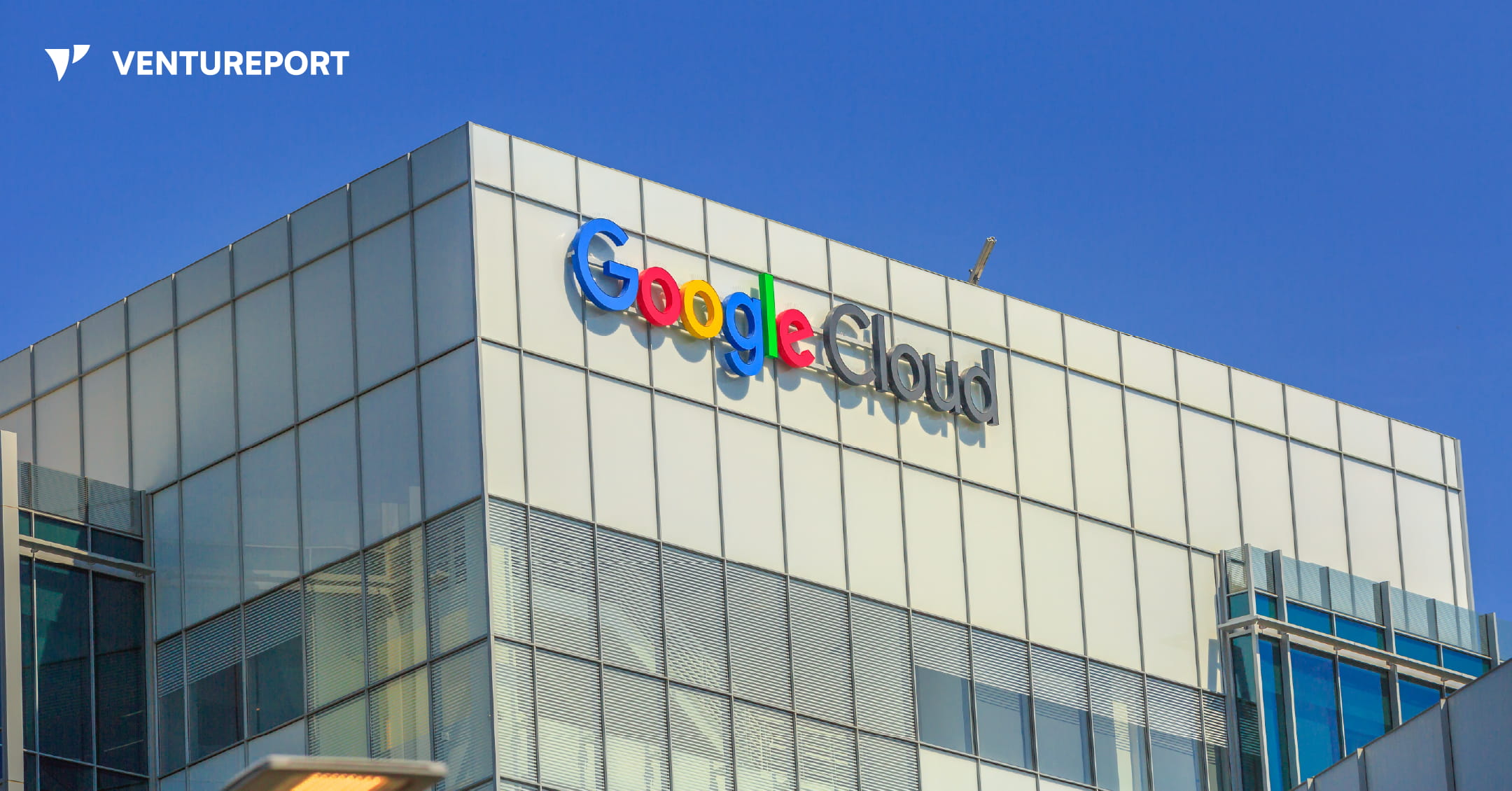
Google Cloud building. PHOTO: ADOBE STOCK
Enterprise interest in AI has moved quickly from experimentation to execution. Many organizations have tested generative tools, but turning those tools into systems that can run inside daily operations remains a separate challenge. Cognizant, an IT services firm, is expanding its partnership with Google Cloud to help enterprises move from AI pilots to fully deployed, production-ready systems.
Cognizant and Google Cloud are deepening their collaboration around Google’s Gemini Enterprise and Google Workspace. Cognizant is deploying these tools across its own workforce first, using them to support internal productivity and collaboration. The idea is simple: test and refine the systems internally, then package similar capabilities for clients.
The focus of the partnership is what Cognizant calls “agentic AI.” In practical terms, this refers to AI systems that can plan, act and complete tasks with limited human input. Instead of generating isolated outputs, these systems are designed to fit into business workflows and carry out structured tasks.
To make that workable at scale, Cognizant is building delivery infrastructure around the technology. The company is setting up a dedicated Gemini Enterprise Center of Excellence and formalizing an Agent Development Lifecycle. This framework covers the full process, from early design and blueprinting to validation and production rollout. The aim is to give enterprises a clearer path from the AI concept to a deployed system.
Cognizant also plans to introduce a bundled productivity offering that combines Gemini Enterprise with Google Workspace. The targeted use cases are operational rather than experimental. These include collaborative content creation, supplier communications and other workflow-heavy processes that can be standardized and automated.
Beyond productivity tools, Cognizant is integrating Gemini into its broader service platforms. Through Cognizant Ignition, enabled by Gemini, the company supports early-stage discovery and prototyping while helping clients strengthen their data foundations. Its Agent Foundry platform provides pre-configured and no-code capabilities for specific use cases such as AI-powered contact centers and intelligent order management. These tools are designed to reduce the amount of custom development required for each deployment.
Scaling is another element of the strategy. Cognizant, a multi-year Google Cloud Data Partner of the Year award winner, says it will rely on a global network of Gemini-trained specialists to deliver these systems. The company is also expanding work tied to Google Distributed Cloud and showcasing capabilities through its Google Experience Zones and Gen AI Studios.
For Google Cloud, the partnership reinforces its enterprise AI ecosystem. Cloud providers can offer models and infrastructure, but enterprise adoption often depends on service partners that can integrate tools into existing systems and manage ongoing operations. By aligning closely with Cognizant, Google strengthens its ability to move Gemini from platform capability to production deployment.
The announcement does not introduce a new AI model. Instead, it reflects a shift in emphasis. The core question is no longer whether AI tools exist, but how they are implemented, governed and scaled across large organizations. Cognizant’s expanded role suggests that execution frameworks, internal deployment and structured delivery models are becoming central to how enterprises approach AI.
In that sense, the partnership is less about new technology and more about operational maturity. It highlights how AI is moving from isolated pilots to managed systems embedded in business processes — a transition that will likely define the next phase of enterprise adoption.
Keep Reading
With Phia’s AI, the new luxury is knowing what’s worth buying
Updated
February 10, 2026 12:56 PM

Phoebe Gates and Sophia Kianni, founders of Phia. PHOTO: PHIA
AI has transformed how we shop—predicting trends, powering virtual try-ons and streamlining fashion logistics. Yet some of the biggest pain points remain: endless scrolling, too many tabs and never knowing if you’ve overpaid. That’s the gap Phia aims to close.
Co-founded by Phoebe Gates, daughter of Bill Gates, and climate activist Sophia Kianni, Phia was born in a Stanford dorm room and launched in April 2025. The app, available on mobile and as a browser extension, compares prices across over 40,000 retailers and thrift platforms to show what an item really costs. Its hallmark feature, “Should I Buy This?”, instantly flags whether something is overpriced, fair or a genuine deal.
The mission is simple: make shopping smarter, fairer and more sustainable. In just five months, Phia has attracted more than 500,000 users, indexed billions of products and built over 5,000 brand partnerships. It also secured a US$8 million seed round led by Kleiner Perkins, joined by Hailey Bieber, Kris Jenner, Sara Blakely and Sheryl Sandberg—investors who bridge tech, retail and culture. “Phia is redefining how people make purchase decisions,” said Annie Case, partner at Kleiner Perkins.
Phia’s AI engine scans real-time data from more than 250 million products across its network, including Vestiaire Collective, StockX, eBay and Poshmark. Beyond comparing prices, the app helps users discover cheaper or more sustainable options by displaying pre-owned items next to new ones—helping users see the full spectrum of choices before they buy. It also evaluates how different brands perform over time, analysing how well their products hold resale value. This insight helps shoppers judge whether a purchase is likely to last in value or if opting for a second-hand version makes more sense. The result is a platform that naturally encourages circular shopping—keeping items in use longer through resale, repair or recycling—and resonates strongly with Gen Z and millennial values of sustainability and mindful spending.
By encouraging transparency and smarter choices, Phia signals a broader shift in consumer technology: one where AI doesn’t just automate decisions but empowers users to understand them. Instead of merely digitizing the act of shopping, Phia embodies data-driven accountability—using intelligent search to help consumers make informed and ethical choices in markets long clouded by complexity. Retail analysts believe this level of visibility could push brands to maintain accurate and competitive pricing. Skeptics, however, argue that Phia must evolve beyond comparison to create emotional connection and loyalty. Still, one fact stands out: algorithms are no longer just recommending what we buy—they’re rewriting how we decide.
With new funding powering GPU expansion and advanced personalization tools, Phia’s next step is to build a true AI shopping agent—one that helps people buy better, live smarter and rethink what it means to shop with purpose.